Featured Export-Grade Windows & Doors
Engineered in Foshan for global residential, commercial, and luxury estate developments. All systems offer customizable frame depth, high thermal performance, and multi-point locking security.
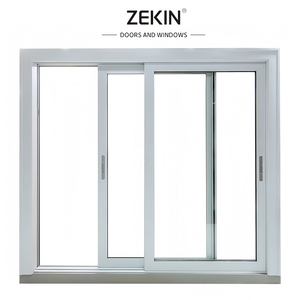
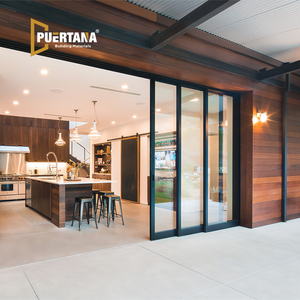
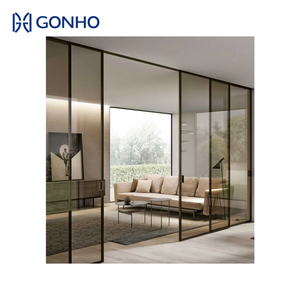
Evaluating Top Aluminum Casement Windows Manufacturers
Selecting an OEM/ODM aluminum casement window exporter requires an in-depth evaluation of profile metallurgy, thermal insulation physics, pressure seal mechanics, and international structural compliance.
Profile Metallurgy & Structural Integrity
World-class fenestration begins with raw material specification. Premium casement window manufacturers utilize strictly virgin 6063-T5 aluminum extrusions, avoiding recycled scrap alloys that compromise yield strength and anodizing clarity. With structural wall thicknesses ranging from 2.0 mm to 3.0 mm, custom casement profiles exhibit high ultimate tensile strength and flexural rigidity necessary to withstand extreme wind pressures exceeding 5,000 Pascals (Class 5 under EN 12210 standards).
Advanced multi-chamber profile geometry distributes stress loads across internal webs, preventing sash deformation under heavy triple-glazed loads while maintaining narrow sightlines that modern architectural design demands.
Thermal Break Thermodynamics & Insulation
Aluminum's inherent high thermal conductivity is mitigated through high-precision thermal break technology. Leading manufacturers integrate PA66-GF25 (25% glass fiber reinforced polyamide) structural insulation strips, separating outer aluminum profiles from interior chambers.
By breaking thermal bridges, these systems reduce total window U-values to as low as 1.1 W/m²K when combined with low-emissivity double or triple insulated glass units (IGUs) filled with 90%+ Argon gas and warm-edge spacer bars. This thermal isolation drastically decreases interior HVAC energy consumption and eliminates internal frame condensation across harsh winter or hot summer climates.
Future Procurement & Architectural Trends (2025–2030)
As global building energy codes tighten and architectural preferences lean toward expansive transparent building envelopes, the aluminum casement window manufacturing landscape is undergoing significant technical shifts.
Ultra-Low Carbon & EPD Compliance
International developers now prioritize suppliers providing certified Environmental Product Declarations (EPDs). Future procurement favors factories utilizing hydro-electric powered aluminum smelting, closed-loop powder coating lines, and 100% recyclable thermal barrier composites to meet Net-Zero building targets across Europe and North America.
Smart Building & Motorized Automation
Automated fenestration integration is growing at over 14% CAGR. Modern aluminum casement systems are pre-wired for concealed actuator motors, integrating with home automation hubs (Zigbee, BACnet) for sensor-driven natural ventilation, rain-triggered auto-closing, and smart electrochromic glass tint adjustments.
Extreme Weather & Impact Resilience
Climate volatility has accelerated demand for high-velocity hurricane zone (HVHZ) compliance. Custom casement lines now standardly offer multi-laminated SentryGlas (SG) interlayers and engineered heavy-duty stainless steel friction hinges capable of resisting impact testing under ASTM E1996 and TAS 201 standards.
The Shift Toward Flush Minimalist Profiles with Concealed Hardware
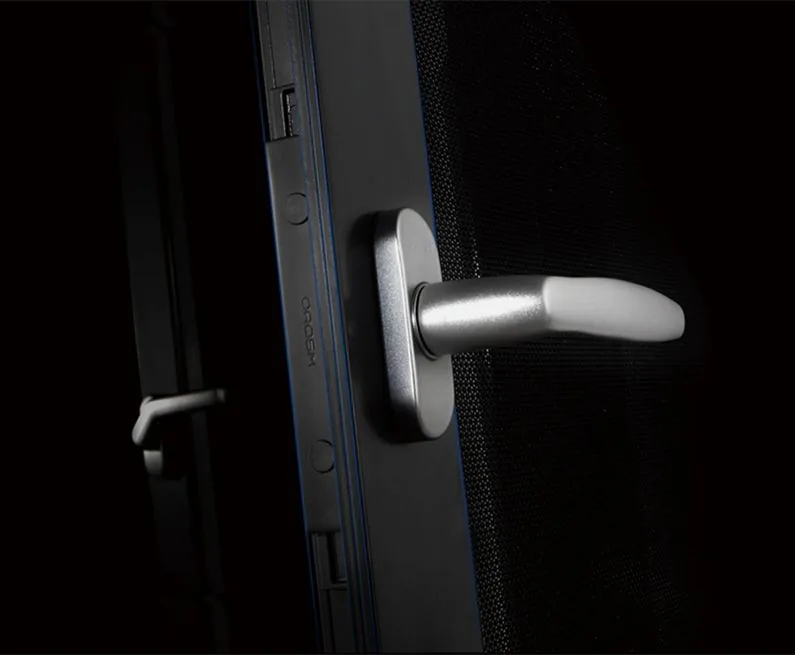
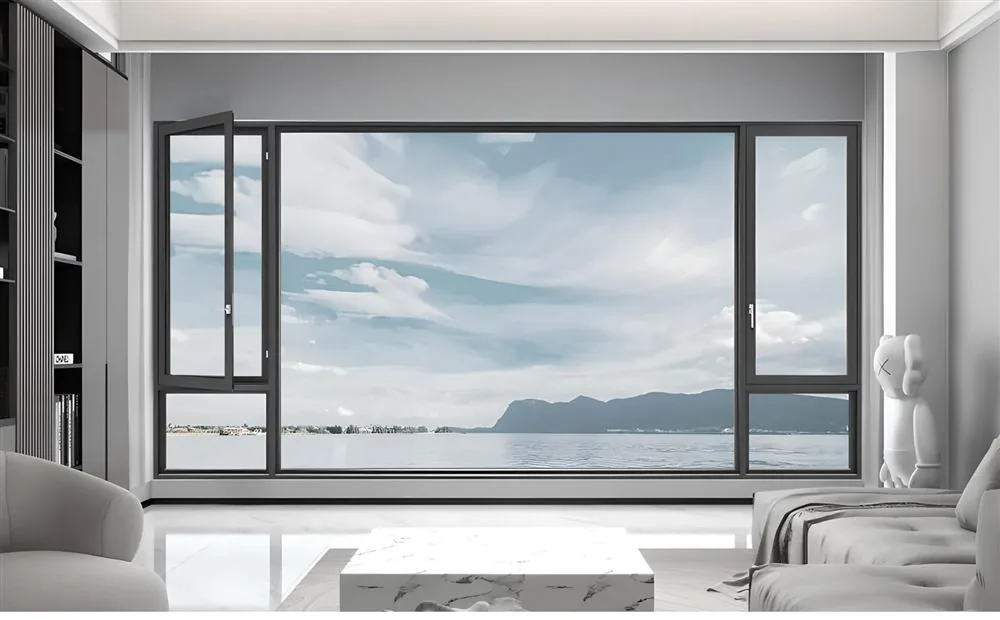
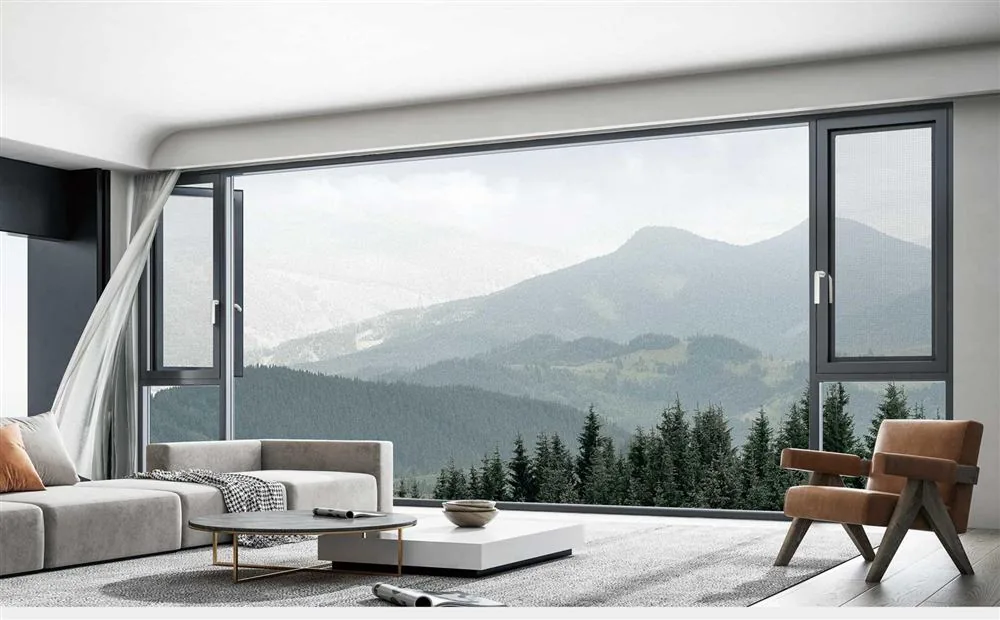
Architectural design has moved decisively away from bulky, traditional window frames toward ultra-slim, flush-fit casement systems. Leading Chinese exporters, situated within the Foshan hardware ecosystem, have pioneered hidden friction stays and concealed drive-gear gearboxes that fit inside profile grooves (C-groove and Euro-groove standards). This allows sashes to sit flush with external cladding while accommodating concealed multipoint locks that provide up to 8 locking points per sash, optimizing both security and aesthetic minimalism.
Inside Foshan’s Advanced Fenestration Factory Ecosystem
Operating out of a 20,000 m² state-of-the-art facility in Foshan, China, ZENIC Window & Door Technology Co., Ltd. represents the pinnacle of precision OEM/ODM fenestration manufacturing for architects, commercial contractors, and global stocking distributors.

Rigorous 6-Stage Quality Control Protocol
Every casement window assembly manufactured by ZENIC undergoes an uncompromising 6-stage quality assurance process prior to international container loading:
- Material Spectrometry: Testing incoming 6063 aluminum billets for chemical alloy balance and wall uniformity.
- Anodizing & Coating Thickness: Verifying Qualicoat-compliant powder layer depth (minimum 60-80 microns).
- CNC Precision Machining: Automated corner miter cutting and hinge slot milling accurate within ±0.1mm.
- Corner Crimping & Corner Glue Injection: Mechanical corner key crimping infused with dual-component structural epoxy for zero water penetration.
- Six-Seal Gasket Integration: Installing continuous EPDM weatherstripping around frame and sash joints.
- Full Factory Mockup Testing: Air permeability, water tightness under simulated storm pressure, and hardware cycling up to 200,000 continuous operations.
Global Engineering & OEM Customization Capabilities
ZENIC’s dedicated technical drafting department supports developers from initial CAD drawing submittals to job-site delivery. Customization spans every operational parameter:
- Frame Depths: From 65mm slim profiles up to 150mm heavy-duty structural curtain-casement hybrids.
- Glass Configurations: Single, double, or triple IGU, laminated hurricane glass, bullet-resistant glass, smart privacy glass, and decorative grill inserts.
- Surface Finishes: Fluorocarbon PVDF coating, RAL custom powder coating, anodized matte silver/black, and Italian heat-transfer timber grain finishes.
- Hardware Brands: Choice of premium German hardware (Siegenia, Hoppe, Roto) or high-durability custom ZENIC stainless steel fittings.
Technical Specification Comparison Matrix
Standard engineering performance specifications for ZENIC Aluminum Casement Systems versus industry baseline standards.
| Performance Indicator | ZENIC Standard System | ZENIC Thermal Break Pro | Global Industry Baseline |
|---|---|---|---|
| Frame Profile Alloy | 6063-T5 Virgin Aluminum | 6063-T5 High Tensile | Recycled Mix / 6060 Alloy |
| Profile Wall Thickness | 1.8 mm - 2.0 mm | 2.0 mm - 3.0 mm | 1.2 mm - 1.4 mm |
| Thermal U-Factor (W/m²K) | 1.8 - 2.2 W/m²K | 1.1 - 1.4 W/m²K | 2.8 - 3.5 W/m²K |
| Thermal Isolation Strip | PA66-GF25 Polyamide | PA66-GF25 Multi-Chamber | PVC / Low-Grade Nylon |
| Sealing Gasket System | Triple EPDM Co-Extruded | 6-Seal Continuous EPDM | Dual Rubber / PVC Gasket |
| Wind Load Resistance | Class 4 (4000 Pa) | Class 5 (5000+ Pa) | Class 2 (2000 Pa) |
| Water Tightness | Class 8A (450 Pa) | Class 9A (600+ Pa) | Class 3A (150 Pa) |
| Acoustic Rating (STC) | 35 dB - 38 dB | 40 dB - 45 dB | 25 dB - 30 dB |
| Hardware Cycle Test | 100,000 Cycles | 200,000 Cycles | 20,000 Cycles |
Frequently Asked Questions by International Buyers
Everything you need to know about specifying, ordering, and importing high-performance aluminum casement windows from Foshan manufacturers.
What is the Minimum Order Quantity (MOQ) for custom project sourcing?
What is the typical production lead time and export delivery schedule?
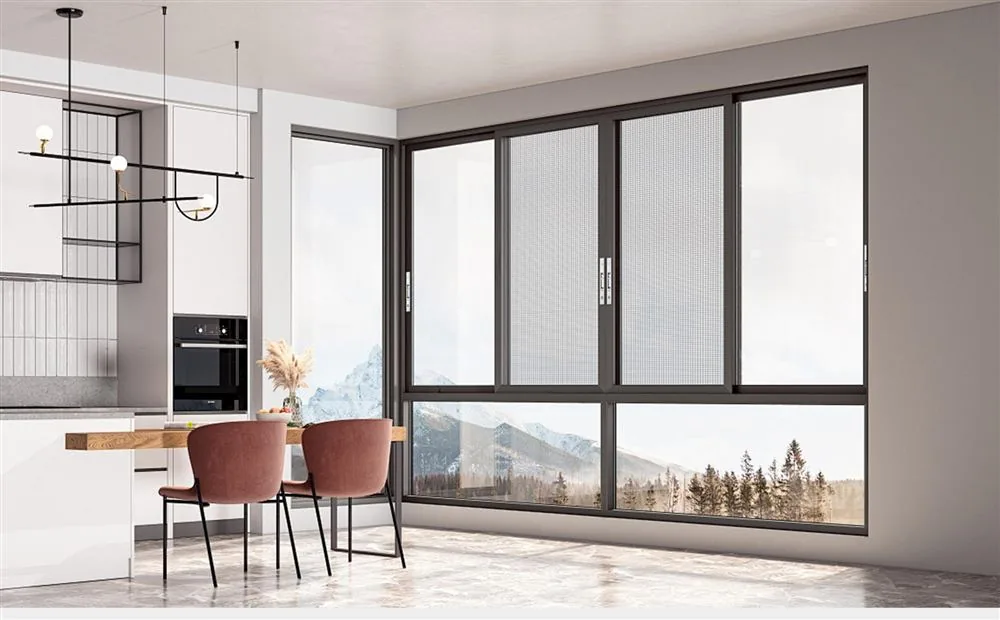
How do aluminum casement windows compare to tilt-and-turn or sliding systems?
What thermal insulation ratings (U-Value) can your systems achieve?
Do you support full OEM profile extrusion and private label packaging?
Which international building codes and test certifications do your windows satisfy?
How are glass units protected against breakage during oceanic transit?
What hardware options and multi-point locking mechanisms are available?
Accelerate Your Sourcing Project Today
Send us your window schedules, architectural elevations, or structural requirements. Our engineering team returns comprehensive shop drawings, structural calculations, and factory-direct pricing within 24 hours.