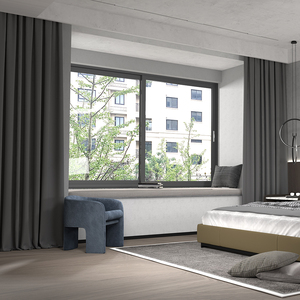
Featured Export-Grade Sliding Window Systems
Direct factory supply configurations engineered for high wind resistance, smooth glide dynamics, and architectural versatility.
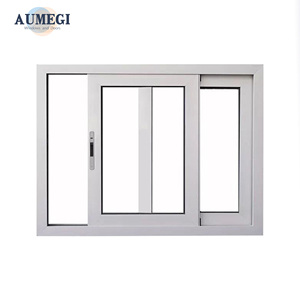
Aumegi Wall Thickness 1.4MM Aluminum Automatic Sliding Window Small Sliding Windows
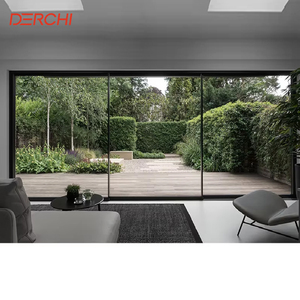
DERCHI Double Glazed Tempered Glass Floor To Ceiling Windows & Sliding Doors
Hurricane Impact Single Glaze Windows Aluminium Glass Sliding Windows
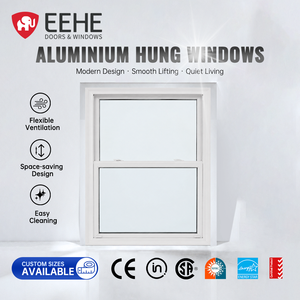
EEHE Aluminum Up Down Sliding Window NFRC Certified Single/Double Hung
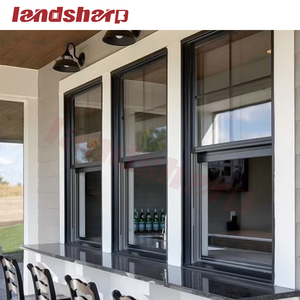
Landsharp Aluminum Single Double Hung Window Sliding Sash Multi-Glazed Windows
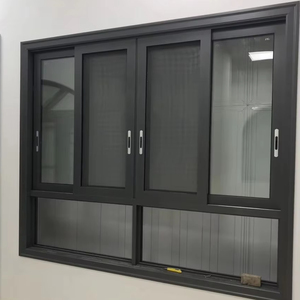
Wholesale Price Ventilated Single-Layer Glass Aluminum Sliding Windows for Home
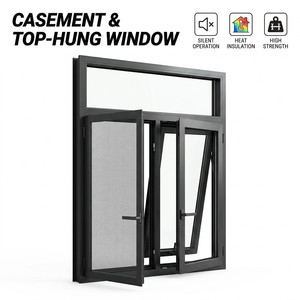
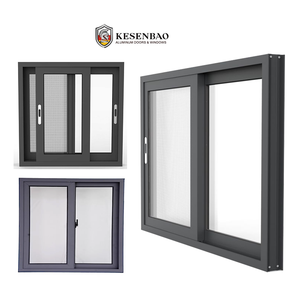
Aluminum Swing & Sliding Window Systems with Stainless Mesh Security Screen
1. Global Market Overview: Sourcing Aluminum Single Pane Sliding Windows (2025–2030)
In modern architectural procurement and international real estate development, aluminum single pane sliding windows (also referenced as single glaze sliding glass windows) maintain a critical, high-volume market position. While insulated double and triple thermal-break glazing systems dominate cold-climate residential mandates, single-pane aluminum sliding systems represent the overwhelming baseline for multi-family residential housing, commercial perimeter enclosures, institutional projects, and coastal villas across warm, tropical, and sub-tropical regions.
Target sourcing territories—including Southeast Asia (the Philippines, Vietnam, Thailand, Indonesia), the Middle East (UAE, Saudi Arabia, Oman), Central and South America, as well as coastal North America—continue to generate substantial demand for single-glazed aluminumfenestration. The primary economic drivers include exceptional cost-per-square-meter efficiency, structural slimness, rapid assembly timelines, and lightweight mechanical operation that minimizes structural dead loads on high-rise concrete frameworks.
6063-T5
Architectural Alloy Standard
1.4 - 2.0mm
Structural Wall Thickness Range
100,000+
Roller Cycle Testing Benchmark
ASTM B117
Corrosion Salt Spray Compliance
Emerging B2B Sourcing & Technical Trends
Global procurement teams, facade consultants, and real estate developers are upgrading their supplier qualification criteria. Buying decisions no longer depend solely on low FOB unit pricing; instead, buyers evaluate holistic lifetime performance, compliance certifications, and precision manufacturing execution:
- High-Strength Extrusion Alloys: Transition from non-standard recycled scrap aluminum to virgin 6063-T5 or 6063-T6 temper profiles ensuring high tensile strength (≥185 MPa) and yield strength (≥170 MPa).
- Monolithic Tempered & Laminated Safety Glass: Escalating global building code standards demand that single glaze panes employ a minimum of 5mm to 10mm toughened safety glass or laminated impact glass (e.g., 5mm + 0.76PVB + 5mm) to withstand elevated wind loads and tropical storm conditions.
- Sub-Concealed Water-Tite Drainage: Traditional face-drained tracks are being replaced by stepped, pressure-equalized hidden drainage systems that eliminate back-siphonage during monsoon-level wind-driven rains.
- Surface Finish Longevity: Demand has shifted toward fluorocarbon (PVDF) spray coatings and high-micron anodizing (≥15µm) to combat salt-air corrosion in coastal resort projects.
2. Engineering Specifications & Technical Architecture
To establish true E-E-A-T (Experience, Expertise, Authoritativeness, and Trustworthiness) during manufacturer evaluation, B2B procurement officers must evaluate the exact mechanical breakdown of single pane aluminum sliding windows. Below is an engineering analysis of profile engineering, sealing mechanics, hardware loads, and glass integration.
6063-T5 Aluminum Extrusion Profiles
Utilizes primary aluminum billets extruded with wall thicknesses ranging from 1.2mm for standard residential windows up to 2.0mm for heavy-duty commercial sliding sashes, complying with GB/T 5237 and ASTM B221 standards.
EPDM Continuous Gasket & Weatherstrip Seals
Equipped with high-density EPDM (Ethylene Propylene Diene Monomer) rubber gaskets paired with silicone-treated woven weather-stripping to maximize air-tightness (Class 4 EN 12207) and prevent dust infiltration.
Heavy-Duty Stainless Steel Roller Assemblies
Sash movement relies on tandem precision ball-bearing rollers encased in Stainless Steel 304 or 316 housings. Rated to handle sash weights up to 120 kg per leaf with ultra-low rolling friction.
Multi-Point & Flush Latch Locking Hardware
Security options range from classic crescent locks and flush side latches to integrated multi-point gearboxes that engage heavy keepers along the frame jamb, enhancing burglar resistance.
Glass Architecture for Single Glaze Systems
A common misconception in window procurement is that single-pane windows lack structural versatility. In reality, single-glaze aluminum sliding windows can accept a wide array of specialized glass fabrications depending on project criteria:
- Monolithic Clear / Tinted Tempered Glass (5mm, 6mm, 8mm, 10mm): Thermally toughened glass offering 4x to 5x the bending strength of standard annealed glass. Tinted options (Bronze, Dark Grey, Ford Blue) substantially reduce Solar Heat Gain Coefficients (SHGC).
- Laminated Safety & Hurricane Glass (e.g., 6mm + 1.52PVB/SGP + 6mm): Essential for tropical cyclone zones (such as the Caribbean, Florida, and the Philippines), providing continuous structural integrity even if outer glass layers fracture.
- Reflective & Low-E Single Glaze Panes: Vacuum magnetron-sputtered metallic coatings applied to single glass sheets to reflect solar infrared radiation, dramatically reducing interior cooling costs in hot climates.
3. Technical Comparison Matrix: Window Systems Performance
When selecting the optimal window specification for large-scale development projects, architects and procurement directors must evaluate thermal, structural, and financial trade-offs. The table below outlines key parameters across typical window configurations:
| Performance Metrics | Single Pane Aluminum Sliding | Double Glazed Standard Sliding | Thermal Break Double Glazed |
|---|---|---|---|
| U-Value Range (W/m²K) | 5.0 – 5.8 (High Thermal Conduction) | 2.6 – 3.2 (Moderate Insulation) | 1.1 – 1.8 (Superior Energy Efficiency) |
| Acoustic Rating (STC / Sound Reduction) | 25 – 28 dB (Sufficient for Low-Noise Zones) | 32 – 36 dB (Good Urban Noise Reduction) | 38 – 45 dB (High Acoustic Isolation) |
| Frame Profile Structural Depth | 50mm – 80mm (Slim Profile) | 85mm – 120mm (Medium Depth) | 110mm – 150mm+ (Heavy Architectural) |
| Relative Cost Index per m² | Baseline (1.0x - Most Economical) | 1.6x – 2.2x Baseline Cost | 2.8x – 4.0x Baseline Cost |
| Target Geographical Markets | Tropical / Warm Coastal / Multi-family / Non-HVAC | Sub-tropical / Moderate Climate Urban Housing | Cold Climates / Extreme Heat / Energy-Certified Towers |
| Weight Load per Sash | Lightweight (15 – 45 kg) | Moderate (45 – 80 kg) | Heavy (70 – 150 kg+) |
4. Manufacturer Evaluation & Quality Control Standards (Foshan Industrial Cluster)
Foshan City in Guangdong Province, China, stands as the premier global manufacturing hub for architectural aluminum profiles, system windows, and hardware supply chains. However, selecting a top-tier manufacturer requires rigorous auditing of quality management systems, machinery infrastructure, and export packaging capabilities.
Key Manufacturer Qualification Pillars
When conducting factory audits or reviewing supplier submittals for OEM/ODM single pane sliding window contracts, evaluate the following four operational benchmarks:
1. CNC Precision Cutting & Corner Crimping
Verified manufacturers employ automated dual-head CNC saw machines capable of 45-degree angle cutting with tolerances under ±0.5mm. Corner joining must utilize cast aluminum corner keys combined with dual-component anaerobic corner glue to guarantee structural rigidity and water-impermeability.
2. In-House Powder Coating & Surface Finishing
Top factories operate vertical powder coating lines utilizing AkzoNobel or PPG architectural powders. Surface treatment must achieve Qualicoat Class 1 or Class 2 certification, resisting chalking, peeling, and UV degradation over 10 to 15 years of atmospheric exposure.
3. Pre-Shipment Pre-Assembly & Water Testing
Prior to export packaging, 100% of custom orders undergo trial frame assembly, sash smooth-glide checks, lock engagement tests, and calibrated water spray booth testing (EN 1027 / ASTM E331) to eliminate site installation defects.
4. Heavy-Duty Ocean Freight Crating
Given the fragilities of glass transit, exported windows must be packed with surface protective film, heavy EPE foam corner guards, shrink wrap, and sealed in non-fumigation plywood crates (ISPM 15 compliant) designed for forklift unloading.
5. Global Regional Procurement & Regulatory Compliance Guide
Navigating cross-border fenestration imports requires aligning factory manufacturing specs with local building code regulations. Below is a breakdown of compliance requirements across major export destination markets:
1. Southeast Asia (Philippines, Vietnam, Thailand)
Projects in Southeast Asia demand elevated wind pressure resistance (DP 40 to DP 60 ratings) due to seasonal typhoons. Aluminum profiles must feature heavy-gauge interlocks and anti-lift blocks on sliding sashes so sashes cannot dislodge during extreme wind gusts. Compliance testing typically aligns with PNS/ISO standards or local structural engineer sign-offs.
2. North America (USA & Canada)
Importers supplying US housing developments or commercial structures must verify compliance with NFRC (National Fenestration Rating Council) energy labels and AAMA 101/I.S.2/A440 performance standards. Hurricane-prone zones (Florida, Gulf Coast) strictly require TAS 201/202/203 or Florida Building Code (FBC) impact certifications for single-glazed laminated systems.
3. Middle East & GCC Region (UAE, Saudi Arabia, Kuwait)
Fenestration imported into Gulf countries faces extreme heat cycles and fine windborne sand dust. Profiles require specialized dust-proof pile weatherstripping and high-grade powder coatings capable of withstanding ambient temperatures exceeding 50°C without color fading or thermal warping.
4. Australia & New Zealand
Windows exported to Oceania must comply with AS2047 (Windows and External Glazed Doors in Buildings) and AS1288 (Glass in Buildings). Testing covers water penetration resistance (Pa), air infiltration, ultimate limit state (ULS) strength, and deflection performance.
6. Frequently Asked Questions (FAQ) for Global Buyers
Direct answers to critical procurement, engineering, and logistics questions commonly raised by project managers and wholesalers.
What is the typical Minimum Order Quantity (MOQ) for custom aluminum single pane sliding windows?
Our standard project MOQ starts at 50 units or 100 square meters. For custom profile extrusions or specialized powder-coat colors (outside standard RAL white/black/grey), profile extrusion minimums start at 1 metric ton per profile section. Mixed orders containing sliding doors, casement windows, and sliding windows can be consolidated into a single container.
How do single pane aluminum sliding windows handle extreme weather and heavy rain?
High-performance single pane sliding windows utilize high-step track profiles combined with concealed internal drainage valves. Water entering the track flows through unidirectional flap valves that let water exit while preventing wind-driven back-flow. When fitted with laminated impact glass and heavy interlock profiles, these windows easily withstand tropical storms.
Can single glazed sliding windows achieve soundproofing in city environments?
Monolithic glass (e.g., 6mm tempered glass) typically delivers an STC rating of ~26 dB. To improve acoustic performance without switching to double glazing, buyers can specify 6.38mm or 8.38mm acoustic laminated glass (utilizing specialized PVB interlayers). This raises sound attenuation to 32–34 dB, blocking urban traffic noise effectively.
What is the production lead time for direct export orders from Foshan?
Standard manufacturing lead times are 15 to 25 calendar days following shop drawing approval and deposit receipt. Orders requiring custom extrusion dies require an additional 10 to 12 days for die tooling creation and sample extrusion validation.
Do you offer OEM private labeling and custom profile engineering?
Yes. We offer complete OEM/ODM manufacturing services including custom profile die design, customer branding laser-engraved onto hardware components, customized protective film printing, and tailored installation accessories matching local building methods.
How are windows packaged to prevent ocean freight glass breakage?
Every window unit undergoes a 5-layer protective packing protocol: (1) Surface anti-scratch film, (2) EPE foam corner guards, (3) Bubble wrap enclosure, (4) Heavy corrugated cardboard wraps, and (5) Fully enclosed ISPM-15 compliant plywood crates with internal timber bracing and moisture-absorbing desiccant bags.
What surface finish options are available for coastal or high-humidity regions?
For coastal environments within 5 km of salt water, we recommend PVDF (Fluorocarbon) spray coatings or anodized surface finishes with a minimum thickness of 15 microns. These finishes pass 2,000-hour neutral salt spray (NSS) testing without blistering or corrosion.
Request Architectural Drawings & Export Pricing
Partner with an established Foshan manufacturer. Send your project window schedules, CAD elevations, or tender specifications. Our structural engineers provide complete shop drawings, wind load calculations, and FOB/CIF quotes within 24 hours.
Contact Us