Export-Grade Aluminium Windows & Doors for Japanese Architecture
Engineered with 6063-T5 virgin alloy extrusions, multi-chamber thermal breaks, and specialized hardware system integration built for commercial and residential developments across Aichi Prefecture.
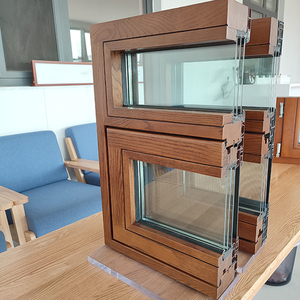
High-Grade Aluminum Clad Wood Tilt & Turn Window System
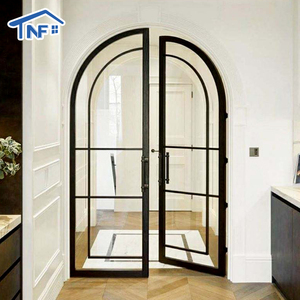
Custom Slim Aluminum Framed Swing Glass Arched Casement Doors
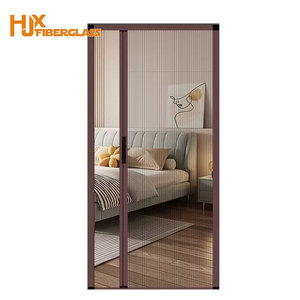
Integrated Aluminium Alloy Anti-Mosquito Screen Window & Door Assembly
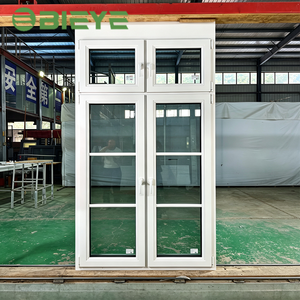
Custom 86 Series Aluminium Timber Composite Double Glazed Window
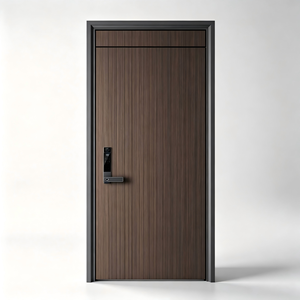
Luxury Cast Aluminium Carved Grand Villa Entrance Door System
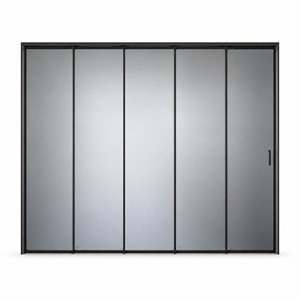
Modern Slim Profile Aluminium Sliding Partition & Window System
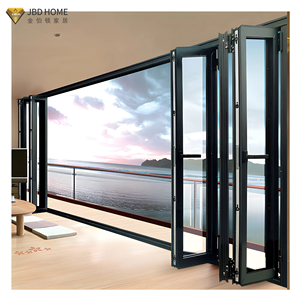
Hurricane-Proof Heavy-Duty Exterior Aluminium Bi-Fold Door System
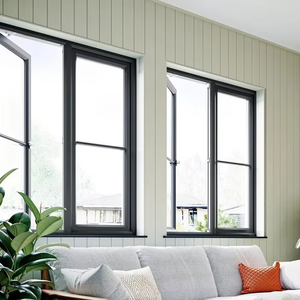
High-End Powder Coated Anthracite Grey Aluminium Casement Window
1. Regional Industry Analysis: Aluminium Casement Window Sourcing in the Nagoya Market
The Greater Nagoya metropolitan area, encompassing Aichi, Gifu, and Mie prefectures, represents the industrial heartland of Japan. Characterized by a sophisticated mix of high-density commercial centers such as Meieki and Sakae, vast coastal logistics nodes surrounding the Port of Nagoya, and expanding residential developments across Seto, Kasugai, and Toyota City, the region demands fenestration systems built to rigorous engineering benchmarks. Architects, general contractors, and facade engineers across Aichi Prefecture face a unique combination of environmental and structural challenges: intense summer heatwaves driven by urban heat-island dynamics, piercing winter drafts caused by the regional "Ibuki Oroshi" wind sweeping down from the Japanese Alps, and severe late-summer Pacific typhoon pressure fronts.
Historically, domestic Japanese suppliers have relied heavily on traditional PVC composite frames or standardized light-gauge aluminium profiles. However, modern commercial projects, high-end private villas, and urban redevelopment initiatives in Nagoya increasingly mandate high-strength, structural aluminium casement windows equipped with multi-chamber thermal breaks. Sourcing direct from certified foreign manufacturers with advanced OEM/ODM capabilities allows Japanese property developers, trade importers, and general contractors to achieve strict thermal insulation performance while optimizing total procurement expenditure. ZENIC Window & Door Technology Co., Ltd. fills this strategic niche by manufacturing industrial-grade thermal break aluminium casement window assemblies that strictly align with Japanese Industrial Standards (JIS A 4706 sash performance metrics).
2. Structural Engineering & Metallurgical Specifications of ZENIC Systems
To surpass standard residential window grade limitations, ZENIC utilizes exclusively 6063-T5 virgin primary aluminium extrusions across all structural casement profiles. Recycled aluminium scrap, which frequently introduces microscopic lattice defects and compromises structural shear strength under heavy wind loading, is completely excluded from our melt logs. The architectural profiles feature a solid wall thickness ranging between 2.0 mm to 3.0 mm on primary load-bearing web sections, offering structural stiffness required for large glass envelope spans without noticeable frame deflection.
PA66GF25 Thermal Barriers
Structural Polyamide 66 reinforced with 25% glass fiber creates an impervious thermal break, arresting conductive energy transfer between interior and exterior aluminum profiles.
Triple-Gasket EPDM Seals
Continuous synthetic rubber EPDM weatherstripping provides multi-stage air barriers and equalized pressure drainage chambers, preventing capillary water intrusion.
Corner Crimping & Glue Injection
Dual-component structural corner corner key alignment combined with anaerobic adhesive injection guarantees rigid frame geometry and zero water leakage at miter joints.
Thermal Transmittance & Glazing Technology
Thermal performance in aluminium casement windows relies heavily on the integration between profile geometry and insulated glass units (IGU). ZENIC casement windows incorporate multi-cavity thermal break profiles ranging from 65 mm to 90 mm profile depths. When paired with double or triple-glazed Low-E tempered glass assemblies filled with 90% Argon gas and separated by warm-edge composite spacers, system U-values drop to as low as 1.1 W/m²K. This performance tier drastically reduces HVAC operational loads for residential complexes in suburban Nagoya during hot summer months and prevents internal condensation during freezing winter conditions.
| Performance Parameter | Test Standard / Benchmark | ZENIC Casement Performance Rating | Relevance to Nagoya Projects |
|---|---|---|---|
| Wind Pressure Resistance | JIS A 4706 / ASTM E330 | Grade S-5 (Up to 2800 Pa) | Resists severe coastal typhoons originating in the Nishi-Mikawa bay area. |
| Water Tightness | JIS A 4706 / ASTM E331 | Grade W-5 (Up to 500 Pa) | Prevents water penetration during torrential summer rainstorms (Guerrilla Rainstorms). |
| Air Infiltration | JIS A 4706 / ASTM E283 | Grade A-4 (< 0.5 m³/h·m²) | Eliminates chilly winter drafts caused by cold mountain winds (Ibuki Oroshi). |
| Sound Insulation | JIS A 4706 / ISO 10140 | Grade T-3 (Rw 38 - 42 dB) | Blocks urban traffic noise along the Meishin and Tomei Expressway corridors. |
| Thermal Transmittance (Uf) | JIS A 2102 / EN ISO 10077 | 1.1 - 1.6 W/m²K | Exceeds standard requirements for Japanese Net Zero Energy House (ZEH) certification. |
3. Localized Application Scenarios Across Greater Nagoya
Aluminium casement windows engineered by ZENIC are designed for versatile integration into varied architectural archetypes found within the Chubu industrial district. Their high structural rigidity allows for narrow frame profiles that maximize daylight harvesting, a key design requirement for modern Japanese infill sites.
A. High-Density Urban Residential Infill (Sakae & Meieki Districts)
In central Nagoya's narrow residential lots, multi-story micro-housing and luxury apartment complexes demand slim-line casement windows with dual-function tilt-and-turn hardware. The inward tilt feature permits safe, controlled ventilation without protruding into tight outer setback paths, while the full inward casement swing allows simple glass cleaning from the interior—eliminating costly exterior scaffolding maintenance for building owners.
B. Coastal Industrial & Logistics Infrastructure (Nagoya Port & Chita Peninsula)
Commercial administrative buildings, testing facilities, and coastal warehouses along Nagoya Port operate in atmospheric environments with elevated salt spray concentration. ZENIC supplies these projects with specialized anodized surface treatments or Qualicoat Class 2 / PVDF fluorocarbon coatings. These surface coatings resist salt fog corrosion, preventing micro-pitting, chalking, or finish degradation even after extended exposure to marine breezes.
C. Sub-alpine Luxury Villas & Residential Developments (Seto, Nagakute & Gifu Border)
Suburban developments located in the cooler foothills surrounding Nagakute and Seto place extreme emphasis on building envelope thermal performance. ZENIC aluminium-clad timber composite casement windows combine the structural weather resistance of exterior extruded aluminium with the natural thermal mass and warm tactile aesthetic of interior solid wood. This hybrid engineering delivers unmatched warmth inside modern mountain villas while withstanding exterior frost cycles.
4. Regional Regulatory & Sustainability Trends in Aichi Prefecture
Japan's national mandate under the Building Energy Efficiency Act (Kenchiku Shōene Hō) has accelerated the adoption of high-efficiency building envelopes across all prefectures. General contractors in Nagoya are actively replacing outdated single-glazed or non-thermal aluminium units with high-performance thermal break fenestration to meet strict energy code ratings. Furthermore, the push toward Net Zero Energy Buildings (ZEB) and Net Zero Energy Houses (ZEH) requires documented environmental transparency and verified technical performance.
From a lifecycle perspective, primary aluminium (6063-T5) is 100% recyclable without structural degradation. ZENIC’s lean manufacturing processes in Foshan utilize precision CNC cutting machinery to reduce material scrap rate below 2%. By choosing durable, corrosion-resistant thermal break casement windows, developers ensure building longevity, lower long-term maintenance costs, and contribute toward circular construction practices prioritized by major Japanese construction syndicates.
5. Why Choose ZENIC: Manufacturing Capabilities & Supply Chain Integrity
ZENIC Window & Door Technology Co., Ltd. operates a modern 20,000 square meter production facility located in Foshan, Guangdong—the absolute global capital of aluminium profile manufacturing. Over the past 15 years, our facility has expanded to house 5 automated CNC machining lines, double-head high-precision mitering saws, robotic corner crimping stations, and an integrated glass assembly unit. Operating under strict ISO 9001 certified quality control, every single window unit is factory-assembled, glazed, pressurized for seal integrity, and tested for smooth hardware operation prior to packing.
Complete OEM / ODM Flexibility
Custom profile extrusion dies, Japanese anodized finish matching, custom RAL powder coating, and specialized hardware integration tailored to project shop drawings.
Direct Port of Nagoya Shipping
Direct ocean container shipping routes from Foshan/Shenzhen directly to the Port of Nagoya (Nagoya Minato) with lead times starting from just 15 days after drawing approval.
Export Packaging Protection
Heavy-duty EPE foam corner wrap, multi-layer stretch film, and fumigation-free plywood crating prevent frame scratching or glass breakage during maritime transport.
Frequently Asked Questions for Nagoya B2B Buyers
Clear technical answers regarding compliance, ordering processes, shipping logistics, and custom manufacturing options for Japanese importers and contractors.
Do ZENIC aluminium casement windows comply with Japanese JIS A 4706 standards?
Yes. ZENIC aluminium casement window profiles and hardware assemblies are tested against performance criteria corresponding to JIS A 4706 specifications. Our systems reach Grade S-5 for wind-pressure resistance (up to 2800 Pa), Grade W-5 for water-tightness under wind-driven rain, and Grade A-4 for air tightness. Test reports and technical documentation can be provided for project engineering submittals.
What is the Minimum Order Quantity (MOQ) and lead time for shipments to Nagoya?
Our minimum order quantity starts from 50 window units per project order. Importers and contractors can combine various opening configurations (e.g., casement windows, tilt-and-turn windows, and fixed architectural panels) to fulfill the MOQ requirement. Typical factory manufacturing lead time starts from 15 to 25 days following shop drawing approval and deposit receipt. Maritime shipping from South China ports to the Port of Nagoya typically takes an additional 6 to 9 transit days.
How do ZENIC thermal break windows handle seismic movement and structural story drift?
Japan experiences frequent seismic activity. ZENIC casement windows incorporate heavy-duty structural corner joints paired with flexible, high-elasticity continuous EPDM perimeter gaskets and structural silicone glazing channels. This allows the glass unit and aluminum frame to absorb slight building frame flex and inter-story drift displacement without compromising seal integrity or inducing glass stress fractures.
Can ZENIC match traditional Japanese exterior powder coating and anodized colors?
Absolutely. We offer complete OEM surface finish customization. We can match standard international RAL color palettes, specialized matte architectural metallic shades, and traditional Japanese anodized bronze, champagne gold, and silver-gray tones. All surface finishes undergo rigorous salt-spray and ultraviolet resistance testing to prevent color fading or peeling over time.
How are custom window opening schedules and shop drawings managed?
Once you provide your architectural window schedule, elevation drawings, or CAD files, our senior fenestration engineering team generates detailed Auto-CAD shop drawings within 24 to 48 hours. Drawings include profile cross-sections, thermal break details, drainage paths, glass stack dimensions, and installation anchor locations for your technical review and sign-off before manufacturing begins.
Ready to Source High-Performance Aluminium Casement Windows for Nagoya Projects?
Submit your architectural drawings or window schedule today. Our engineering team provides detailed CAD drawings, structural wind-load verification, and a competitive factory-direct proposal within 24 hours.
Contact Us