Featured Aluminium Interior & Exterior Door Systems
Factory-direct fenestration solutions tested to global standards (ISO 9001, CE, AS2047, NFRC) and tailored to the architectural requirements of the Philippine construction sector.
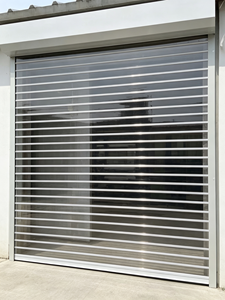
Wholesale Price Customize Smart Shop Front Door Aluminum Alloy Clear Roller Shutter Door
Send an Inquiry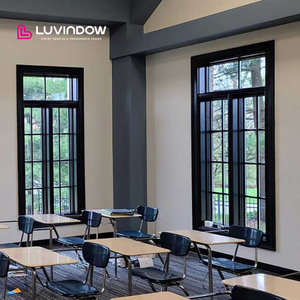
American Style Double Safety Glass Residential Window Aluminum Clad Wood Crank Open Windows
Send an Inquiry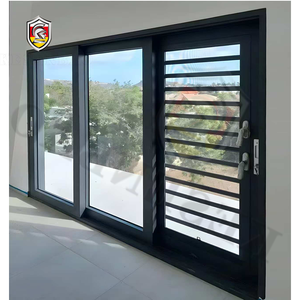
Modern Waterproof Double Tempered Glass Aluminium Sliding Doors with Louver for Villa House
Send an Inquiry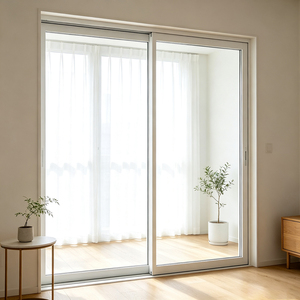
Factory Direct Dustproof Soundproof Easy Clean Slim Frame Tempered Safety Aluminum Glass Sliding Door for Home Second Bedroom
Send an Inquiry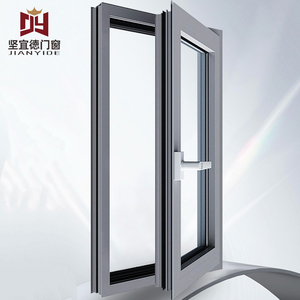
High Quality Aluminum Alloy Tilt Turn Window for Villa Multi-Function Casement Low-E Insulated Glass Windproof Waterproof
Send an Inquiry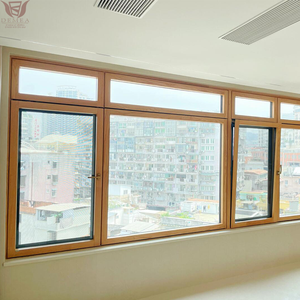
Custom House Window Replacement Project Solid Wood Interior Double Glazing Thermal Aluminum Clad Swing Soundproof Casement
Send an Inquiry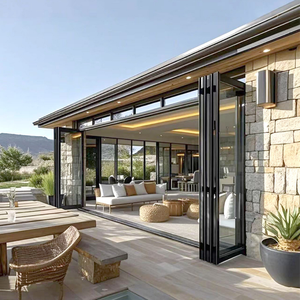
NFRC Thermal Break Aluminum Folding Door Aluminum Large Folding Patio Doors Exterior with Retractable Insect Screen
Send an Inquiry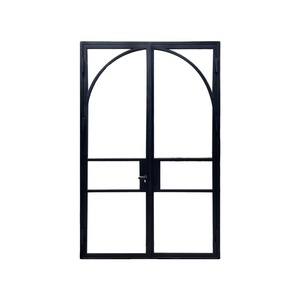
Square Double French Steel Customized Swing Graphic Design Steel Glass Door Modern Entry Doors Steel Windows Exterior
Send an InquiryArchitectural Aluminium Interior Doors in the Philippine Building Landscape
The construction and real estate market in the Philippines is undergoing a structural transition. Driven by the rapid development of high-density vertical residences in Bonifacio Global City (BGC), Makati CBD, Ortigas Center, and Cebu IT Park, coupled with luxury resort developments in Palawan, Boracay, and Siargao, developers and general contractors are demanding interior building materials that solve chronic tropical environmental challenges. For decades, natural timber (such as Mahogany and Narra) and basic Hollow Core Flush doors dominated interior specifications. However, severe climate-driven failure modes have accelerated the industry-wide migration toward high-grade 6063-T5 extruded aluminium interior door systems.
1. Environmental Drivers Accelerating Aluminium Adoption in the Philippines
The Philippine archipelago presents one of the world's most aggressive tropical marine microclimates. Interior fenestration products are subjected to continuous environmental stressors that drastically degrade legacy materials:
- Subterranean Termite (*Coptotermes gestroi*) Infestation: Termites account for billions of Pesos in structural interior damage annually across Luzon, Visayas, and Mindanao. Solid wood and MDF interior doors are prime targets. Aluminium profiles provide 100% immune, non-organic structural barriers.
- Hyper-Humid Swelling & Rot: With relative humidity levels frequently hovering between 80% and 95% during the monsoon season (June to November), wooden interior door frames absorb moisture, resulting in jamb warping, sash swelling, and latch misalignment. Extruded aluminium exhibits zero moisture absorption ($0.00\%$).
- Coastal Salinity & Atmospheric Corrosion: Coastal resort developments face airborne salt spray. ZENIC’s aluminium door profiles undergo advanced surface passivation and are treated with AkzoNobel PVDF (Fluorocarbon) or 15–25μm anodic oxide coatings, passing 2,000-hour ASTM B117 salt spray testing.
2. Technical Performance Matrix: Aluminium vs. Wood vs. PVC Interior Doors
To assist Philippine procurement directors, structural engineers, and interior designers in technical evaluation, the following comparison matrix details the physical properties of interior door substrate materials under local climate conditions:
| Performance Parameter | ZENIC 6063-T5 Aluminium Doors | Solid Wood / Engineered MDF | Standard Unreinforced PVC |
|---|---|---|---|
| Termite Resistance | 100% Immune (Non-organic) | High Vulnerability (Requires Chemical Treatment) | Immune |
| Moisture Absorption Rate | 0.00% (Non-porous) | 8.0% – 18.0% (Causes Swelling/Warping) | 0.05% |
| Acoustic Rating (STC) | STC 38 dB – 45 dB (Double Glazed/Drop Seal) | STC 28 dB – 34 dB | STC 22 dB – 26 dB |
| Fire Safety (ASTM E84) | Class A (Non-combustible profile) | Combustible (Class C) | Melts at High Temp / Toxic Fumes |
| Structural Service Life | 30+ Years Zero Maintenance | 5 – 10 Years (Requires Periodic Refinishing) | 7 – 12 Years (UV Discoloration Risk) |
| Frame Sightline Thickness | Ultra-Slim 16mm – 45mm | Bulky 80mm – 120mm | Bulky 65mm – 90mm |
3. Architectural Applications Across Philippine Real Estate Sectors
Different commercial and residential typologies across Metro Manila, Metro Cebu, and Davao require customized aluminium interior door configurations:
A. Luxury Condominiums & High-Rise Towers (e.g., BGC, Makati, Rockwell): Space optimization and acoustic isolation between living spaces and bedrooms are paramount. ZENIC’s Slim-Frame Aluminium Interior Pocket Sliding Doors and heavy-duty hinged glass doors utilize top-hung soft-closing roller mechanisms rated to 200,000 cycles. Combined with 6mm + 12Ar + 6mm double tempered safety glass, these systems block urban traffic noise while maintaining modern minimalist aesthetics.
B. High-Humidity Zones (Bathrooms, Kitchens & Utility Rooms): Wet area doors in the Philippines frequently rot at the jamb base. ZENIC’s aluminium louvered and frosted glass swing doors incorporate integrated bottom drainage channels and continuous double-layer EPDM rubber gaskets, eliminating water seepage into adjacent hardwood or laminate flooring.
C. Commercial Office Partitions & BPO Call Centers: Business Process Outsourcing (BPO) facilities in Quezon City and Cebu require high sound transmission class (STC) performance for conference rooms and executive suites. ZENIC interior aluminium glass partition doors deliver certified acoustic isolation up to STC 45dB, integrated with smart electronic access control locks.
Why Philippine Developers Choose ZENIC Fenestration
Virgin 6063-T5 Extrusion Alloys
We utilize 100% primary billet aluminum with structural wall thicknesses of 2.0mm. We strictly avoid recycled aluminum scrap, ensuring high tensile strength and wind load resistance compliant with the National Building Code of the Philippines (PD 1096).
Advanced Tropical Surface Treatment
Finished with AkzoNobel powder coating, Fluorocarbon PVDF, or Italian 3D wood-grain heat transfer technology. Our finishes withstand 95% relative humidity, strong UV radiation, and severe tropical monsoon exposure without peeling or fading.
Direct Shipping to Manila, Cebu & Davao
Located in Foshan, China's aluminum manufacturing capital, we provide direct container shipping to Manila North Harbor, Manila South Harbor, Cebu International Port, and Davao Sasa Port, complete with fumigation-free wooden crating.
Emerging Trends in the Philippine Architectural Fenestration Market
As the Philippine Green Building Code (PGB Code) and voluntary rating systems such as BERDE (Building for Ecologically Responsive Design Excellence) and EDGE (Excellence in Design for Greater Efficiencies) gain widespread traction among top-tier developers (such as Ayala Land, Megaworld, SM Prime, and Robinsons Land), specifications for interior building envelopes are rapidly evolving.
1. Shift Toward Polyamide Thermal Break & Energy Efficient Interior Boundaries
While thermal break technology was historically reserved for exterior facades, modern air-conditioned interior spaces—such as server rooms, wine cellars, and executive master suites—increasingly specify thermal break interior aluminium doors. Utilizing continuous Polyamide PA66GF25 thermal barrier strips, ZENIC doors significantly reduce heat transfer between air-conditioned and non-air-conditioned interior zones, lowering HVAC electrical consumption across commercial and residential developments.
2. Demand for Ultra-Narrow Sightlines & Hidden Frame Hardware
Modern minimalist interior design in Manila condominiums prioritizes maximized daylight harvest and visual continuity. Slim-profile aluminium doors featuring 16mm to 25mm visible face widths, concealed heavy-duty hinges, and flush floor tracks have largely replaced bulky timber frames. These systems create seamless transitions between living, dining, and balcony areas while providing storm-rated air tightness when closed.
3. Integration of Smart Access & Biometric Security Systems
The rise of smart home automation in Philippine luxury developments requires interior doors to integrate seamlessly with multi-modal biometric access systems (fingerprint recognition, RFID cards, mobile app control, and keyless PIN codes). ZENIC aluminium interior door profiles are pre-engineered with internal wiring channels and standard European mortise lock body cutouts to accommodate global smart lock hardware brands.
Frequently Asked Questions by Philippine Importers & Buyers
Clear, expert answers addressing customs clearance, lead times, technical customization, and local building code compliance for importing from China.
How do ZENIC aluminium interior doors prevent termite damage and humidity swelling in the Philippines?
What are the typical sea freight transit times and port routes from Foshan to the Philippines?
How are shipments handled regarding Philippine Bureau of Customs (BOC) duties and BIR requirements?
Can ZENIC supply custom wood-grain finishes that match natural Philippine hardwoods like Narra or Mahogany?
What is the Minimum Order Quantity (MOQ) for commercial and residential development projects in the PH?
Do ZENIC interior door profiles comply with the National Building Code of the Philippines (PD 1096)?
Partner with a Leading Aluminium Door Manufacturer for the Philippines
Send your architectural schedules, door elevations, or project BOQ to our engineering team. We deliver custom shop drawings, technical compliance submittals, and factory-direct pricing within 24 hours.