Featured Aluminum Ventilation Systems
Explore our project-grade ventilation windows engineered specifically for high heat, monsoon rains, and coastal atmospheric corrosion across Southern Vietnam.
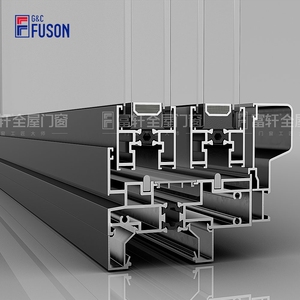
Fuson Aluminum Energy Efficient Sliding Louver Hurricane Impact Window
Inquire Catalog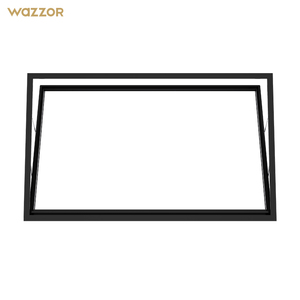
WAZZOR AAMA Certified Impact Resistant Storm Shelter Ventilation Window
Inquire Catalog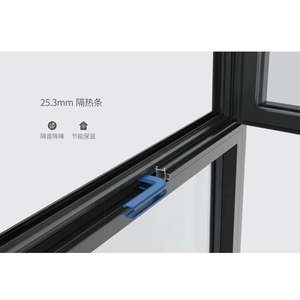
Fuson Hotel Grade Airproof Heavy-Duty Storm Casement Window
Inquire Catalog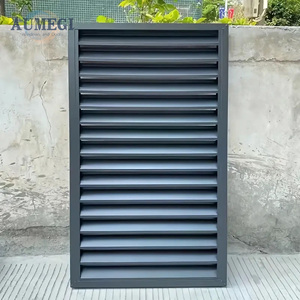
AUMEGI Automatic Aluminum Shutter Thickened Blade Jalousie Window
Inquire Catalog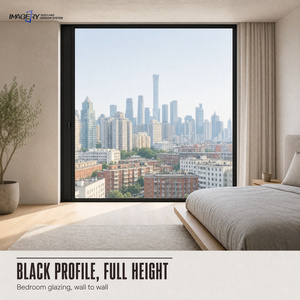
Double Glazed Micro-Ventilation Burglar Proof Aluminum Casement Window
Inquire Catalog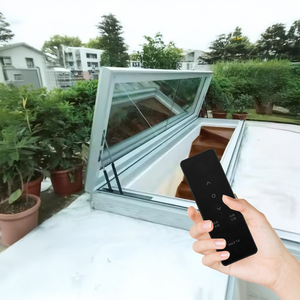
Thermal Break Glass Skylight Exhaust Vent Window for Luxury Villas
Inquire Catalog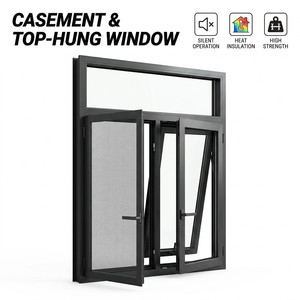
Outward Swing Casement Window with Mesh Screen & Top-Hung Rain Vent
Inquire Catalog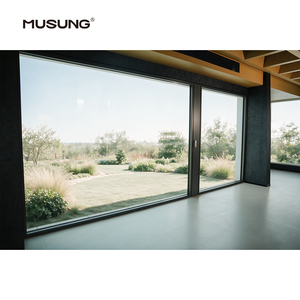
Ultra Large View Soundproof Micro-Ventilation Heat Insulated Window
Inquire CatalogArchitectural Glazing & Micro-Ventilation Engineering in Ho Chi Minh City: A Whitepaper for Developers & Specifiers
Ho Chi Minh City (HCMC), located in Southern Vietnam’s tropical monsoon climate zone (Köppen climate classification Aw), presents a uniquely challenging environment for architectural building envelopes. Characterized by high year-round relative humidity (averaging 75% to 85%), high ambient temperatures fluctuating between 26°C and 38°C, and intense seasonal downpours during the monsoon months (May to November), the demand for specialized aluminum ventilation window manufacturer & suppliers in Ho Chi Minh City has expanded rapidly.
Modern architectural developments—ranging from luxury residential villas in Thao Dien (District 2) and Phu My Hung (District 7) to high-density commercial towers in Thu Duc City and classic narrow urban townhouses (Nhà phố)—require fenestration systems that balance constant indoor air exchange with thermal insulation, water tightness, wind load resistance, and acoustic attenuation. As leading OEM/ODM aluminum window manufacturers rooted in Foshan’s world-class extrusion ecosystem, we provide engineered thermal break aluminum windows, motorized jalousies, top-hung micro-ventilation systems, and hurricane-impact casements direct to project sites across HCMC and surrounding industrial zones.
The Physics of Ventilation in Tropical Urban Microclimates
Ventilation in tropical urban environments cannot rely solely on open casement or sliding windows due to three primary environmental barriers: severe monsoon driving rain, urban acoustic pollution from dense motorbike traffic (frequently exceeding 75 to 85 dB at street level), and vector-borne insect intrusion (specifically mosquitoes carrying tropical pathogens). Traditional open-window strategies lead to indoor moisture damage, thermal energy waste from overloaded HVAC compressor units, and acoustic disturbance.
Our micro-ventilation system windows solve this architectural friction through pressure-equalized internal chambers and specialized air-paths. Micro-ventilation slots integrated into the top frame or transom permit continuous, controlled airflow (achieving air exchange rates of 5 to 15 m³/h per linear meter of frame) while maintaining structural resistance against driving rains up to 600 Pa. By pairing 2.0 mm structural wall thickness 6063-T5 aluminum profiles with multi-chamber polyamide (PA66GF25) thermal breaks, our systems prevent heat transfer into air-conditioned interior spaces, dramatically reducing Solar Heat Gain Coefficient (SHGC) values to as low as 0.22 when specified with Low-E insulated glass units (IGUs).
Pressure-Equalized Drainage
Features concealed stepped drainage channels with back-pressure valves, preventing tropical rainwater backflow even under 1,000 N typhoon wind pressure.
Triple EPDM Sealing
Continuous co-extruded EPDM rubber gaskets form three distinct air and water barriers, achieving ASTM E283 air infiltration rates below 0.05 cfm/sq.ft.
PA66GF25 Thermal Barriers
24mm to 34mm German-engineered polyamide thermal strips isolate interior and exterior aluminum profiles, reducing structural U-values down to 1.1 W/m²K.
Localized Application Scenarios across Ho Chi Minh City Districts
The urban topography of Ho Chi Minh City is heterogeneous, demanding distinct structural specifications depending on project placement and building height:
1. High-Rise Commercial & Residential Towers (Thu Duc City & District 1)
High-rise structures above 15 stories face elevated wind velocities and rain pressures. Our WAZZOR AAMA Certified Impact-Resistant Storm Shelter Windows and Fuson Hotel Airproof Casement Systems utilize heavy-duty 90mm to 120mm frame depths. Engineered to withstand wind loads up to 3,500 Pa (equivalent to Category 4 typhoons), these windows incorporate laminated safety glass (6mm + 1.52pvb + 6mm) paired with multi-point locking hardware to ensure total structural integrity and air-tightness against high-altitude gusts.
2. Riverside & Coastal Villas (District 2 / Thao Dien & District 7 / Phu My Hung)
Properties along the Saigon River or near coastal transit channels in Nha Be experience high atmospheric moisture, salt fog corrosion, and intense direct sunlight. For these ultra-luxury residences, we supply customized Ultra-Large View Heat Insulated Micro-Ventilation Windows and Thermal Break Skylight Roof Hatches coated with AkzoNobel or PPG Fluorocarbon (PVDF) surface treatments. This coating passes 3,000-hour salt spray testing (AAMA 2605 standard), offering absolute resistance against surface chalking, pitting, and color fading.
3. Urban Townhouses & Mixed-Use Buildings (District 3, District 10, Binh Thanh)
Narrow townhouse structures rely heavily on natural stack ventilation to reduce electricity consumption. The deployment of AUMEGI Automatic Thickened Blade Jalousie Windows and Outward Swing Casements with Integrated Stainless Steel Mosquito Mesh creates passive vertical draft channels. The mechanical adjustable louvers can be angled to capture prevalent cross-breezes while shielding interiors from direct solar radiation and unexpected afternoon tropical downpours.
HCMC Fenestration Trends & Compliance: LOTUS, EDGE & LEED Standards
Vietnam’s construction sector is experiencing a major shift toward sustainable green building standards. The Vietnam Green Building Council (VGBC) LOTUS rating system, alongside IFC’s EDGE certification and USGBC LEED v4, now dictates strict performance metrics for building envelope materials used in Ho Chi Minh City developments:
- Thermal Transmittance (U-Factor): Maximum allowable U-value threshold for vision glazing in HCMC tropical zones is set at ≤ 2.8 W/m²K. Our advanced thermal break systems achieve 1.1 to 1.6 W/m²K, easily outperforming national building energy efficiency standards (QCVN 09:2017/BXD).
- Solar Heat Gain Coefficient (SHGC): To limit cooling energy loads, window assemblies must maintain SHGC values below 0.30. Utilizing double-glazed Low-E argon-filled units with warm-edge spacers, our systems deliver SHGC numbers as low as 0.20 to 0.25.
- Acoustic STC Ratings: For urban developments adjacent to major thoroughfares like Vo Van Kiet Highway or Hanoi Highway, acoustic attenuation (STC) ratings above 38 dB are required to achieve indoor acoustic comfort. Our dual-sealed double-glazing configurations achieve tested sound isolation up to STC 42 dB.
Technical Specifications Matrix for Sourcing Engineers & Architects
The matrix below provides baseline technical metrics for our core ventilation and thermal break window series supplied to the Vietnam market:
| System Type | Profile Alloy & Depth | U-Value (W/m²K) | Acoustic Rating | Water Tightness | Primary Application |
|---|---|---|---|---|---|
| Micro-Ventilation Casement | 6063-T5 (65-90mm) | 1.1 - 1.4 | STC 40 - 42 dB | 750 Pa (Class E750) | Luxury Villas & Mid-Rise Condos |
| Motorized Aluminum Jalousie | 6063-T5 (100mm) | 2.1 - 2.5 | STC 28 - 32 dB | 450 Pa (Class E450) | Townhouse Stack Vent & Public Facilities |
| Hurricane Impact Sliding Louver | 6063-T5 (120-150mm) | 1.3 - 1.7 | STC 38 - 40 dB | 900 Pa (Class E900) | High-Rise Towers & Storm Shelter Zones |
| Thermal Break Glass Skylight Vent | 6063-T5 (80-110mm) | 1.2 - 1.5 | STC 36 - 38 dB | 600 Pa (Class E600) | Attic Exhaust Vents & Villa Roof Access |
| Top-Hung Rain-Proof Casement | 6063-T5 (70-90mm) | 1.2 - 1.6 | STC 39 - 41 dB | 650 Pa (Class E650) | Bedrooms & High-Humidity Urban Apartments |
Factory OEM Advantages: Foshan Manufacturing Powerhouse
Partnering directly with a Foshan-based manufacturer provides direct cost, quality, and technical advantages for developers and fenestration suppliers operating in Vietnam. Located in China’s premier aluminum extrusion hub, our 20,000 m² automated manufacturing complex integrates every phase of production under one roof:
- Virgin Grade 6063-T5 Profile Extrusion: We enforce zero-scrap recycled aluminum policies. All extruded profiles utilize primary aluminum billets, ensuring structural tensile strength (≥ 160 MPa) and yield strength (≥ 110 MPa).
- German-Standard Corner Crimping & Injection: Window frame corners undergo mechanical crimping combined with dual-component corner adhesive injection, guaranteeing structural rigidity and zero frame joint leakage over decades of operation.
- Hardware Durability & Testing: All multi-point gearboxes, stainless steel friction hinges, and heavy-duty rollers undergo 200,000-cycle continuous operation testing, backed by a comprehensive 10-year factory warranty.
- Direct Maritime Shipping to Ho Chi Minh Ports: Orders are custom-crated using EPE protective wrap, edge guards, and fumigation-free plywood boxes. Goods ship directly from Foshan or Shenzhen ports to Cat Lai Port or Cai Mep Port in Ho Chi Minh City with lead times starting from just 15 days after shop drawing sign-off.
Frequently Asked Questions for HCMC Sourcing
Answers to common questions asked by Vietnam-based architects, developers, building contractors, and wholesale importers.
What is the minimum order quantity (MOQ) and lead time for shipments to Cat Lai Port, HCMC?
Our minimum order quantity starts at 50 pieces per custom project. We allow mixed orders comprising different window series (e.g., combining thermal break casements, jalousie louvers, and sliding doors) to meet project quotas. Standard fabrication lead times start at 15 to 20 days following shop drawing approval. Transit times from Foshan/Shenzhen to Cat Lai Port or Cai Mep Port in Ho Chi Minh City typically take 5 to 7 days via direct ocean freight services.
How do your aluminum ventilation windows handle Ho Chi Minh City’s heavy monsoon downpours?
Our window systems feature multi-chamber profiles engineered with internal pressure equalization technology. Stepped drainage channels with non-return silicone caps allow water to rapidly drain outward while preventing wind-driven rain backflow during tropical storms. Combined with triple-seal continuous EPDM gaskets, our systems are certified to withstand water tightness pressures up to 750 Pa (Class E750), far exceeding typical tropical storm rainfall intensity.
Do you provide custom profile extrusions, RAL powder coating, and OEM branding for local Vietnam distributors?
Yes. We operate a full-service OEM/ODM technical division. We produce custom profile dies according to architectural window schedules, offer over 200 RAL powder coating colors, fluorocarbon PVDF coatings, and wood-grain thermal transfer finishes suitable for high-humidity environments. We also offer laser-etched private labeling, custom protective film branding, and specific hardware brand integration (including HOPPE, Siegenia, Roto, or custom stainless steel hardware options).
Which energy efficiency certifications and test reports do your windows provide for LOTUS or LEED projects in Vietnam?
Our window systems are tested to global fenestration standards, including NFRC (North American Fenestration Rating Council), AAMA, CE, and AS2047. We supply comprehensive factory test reports detailing U-values, Solar Heat Gain Coefficient (SHGC), visible light transmittance (VLT), air infiltration rates (ASTM E283), water penetration resistance (ASTM E331), and structural wind pressure capability (ASTM E330). These submittals meet all criteria for LOTUS, EDGE, and LEED v4 green building documentation in Vietnam.
Can top-hung micro-ventilation windows be integrated with anti-mosquito mesh screens?
Absolutely. For tropical climates like Ho Chi Minh City, insect protection is vital. Our micro-ventilation and outward-swing casement series feature integrated 304 or 316 marine-grade stainless steel wire mesh screens (High-Transparency Mesh). These screens keep out mosquitoes and small insects without impairing natural light transmission or restricting fresh air exchange rate.
Request Technical Specifications & Engineering Catalog
Send your project window schedules or CAD elevations. Our structural fenestration engineers will provide technical reviews, wind-load calculations, thermal performance estimates, and factory-direct pricing within 24 hours.