Engineered Aluminum & Clad Wood Doors/Windows
Architectural fenestration solutions tested to EN standards, engineered for climate resilience across Northern, Central, and Coastal Italy.
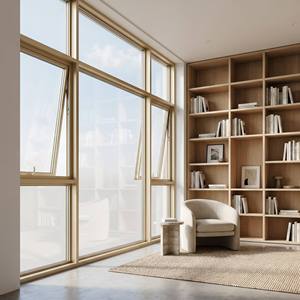
Modern Glass Aluminum Awning Window for Storefront, Automatic Top Hung Window for Cafe and Shop
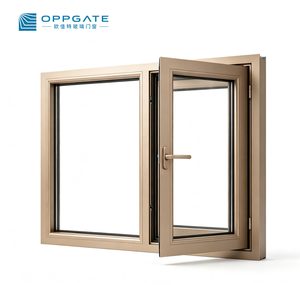
Tilt and Turn Casement Window Argon Filled Low E Double Glazing Thermal Break Window for Passive House
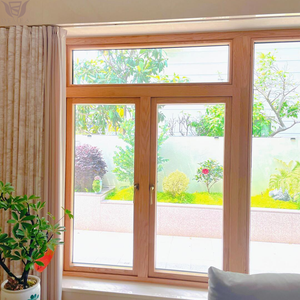
DEMEA Storefront Window with Large Glass Panels for Commercial Entrance Aluminum Clad Wood Casement
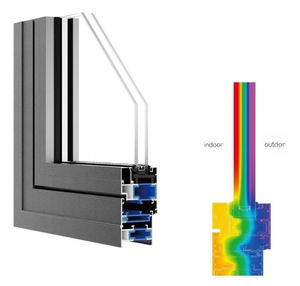
Double Glazed Inward-Opening Aluminum Thermal Break Casement Windows for Residential Buildings
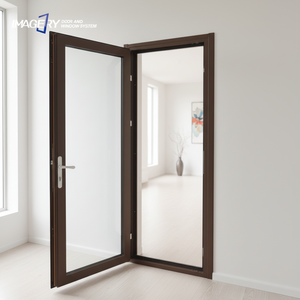
Thermal Break Aluminum Swing Door with Stainless Steel Security Mesh & Double Tempered Soundproof Glass
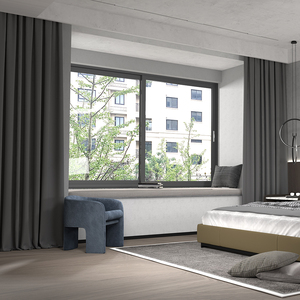
Soundproof Architectural Aluminium Sliding Windows & Door Systems for Modern Residential Projects
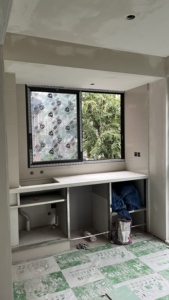
JUNYAO Heavy-Duty Aluminum Horizontal Sliding Patio Door for Balcony, Garden Villa Entrance & Hotels
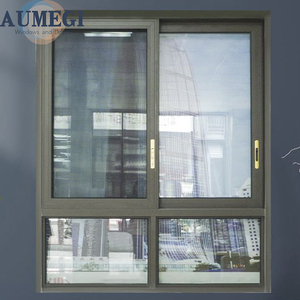
Aumegi Architectural Double Glazing Aluminum Glass Sliding Window System with Custom Anodized Finish
1. Industry Whitepaper: The Evolution of Aluminum-Wood Doors in the Italian Market
Italy represents one of the world's most sophisticated markets for architectural fenestration. Balancing rich historical preservation aesthetics with rigorous modern energy codes (such as the national implementation of the EU Energy Performance of Buildings Directive and local CasaClima / Klimahouse standards), Italian architects, builders, and developers demand doors and windows that deliver uncompromising thermal efficiency without sacrificing visual warmth.
Traditional solid timber doors, while revered for their interior elegance, suffer from dimensional instability when exposed to Italy's diverse microclimates—from humid coastal regions along Liguria and Campania to snow-heavy alpine regions in Trentino-Alto Adige. Conversely, unclad aluminum systems can lack the organic warmth required by classic Italian interior design (Arredamento d'Interni).
The Solution: Hybrid Aluminum Clad Wood Door Systems. By engineering an exterior armor of high-tensile 6063-T5 extruded aluminum joined to an interior core of premium solid hardwood (such as European Oak, Walnut, or Teak) via nylon isolation clips, our factory produces doors that solve thermal expansion, eliminate exterior maintenance, and satisfy both exterior facade guidelines (Vincolo Paesaggistico) and interior luxury specifications.
Structural Dual-Composition
Exterior 2.0mm structural extruded aluminum shield resists wind loads up to 1,500 Pa, combined with interior kiln-dried solid timber (8-12% moisture control).
Polyamide Thermal Break
PA66 GF25 multi-chamber nylon thermal isolation strips prevent thermal bridging, ensuring full compliance with Italian Climate Zones A through F.
Multi-Point Italian Hardware
Fitted with German and Italian origin gear locks (Siegenia / G-U / Maco), offering RC2/RC3 burglar resistance and tested to 200,000 continuous opening cycles.
Technical Comparison Matrix for Italian Fenestration Procurement
| Performance Metric | Standard Unbroken Aluminum | Traditional Solid Wood | ZENIC Aluminum Clad Wood System |
|---|---|---|---|
| Thermal Transmittance (Uw) | ∼ 2.8 - 3.5 W/m²K | ∼ 1.4 - 1.8 W/m²K | 0.8 - 1.1 W/m²K (Passive House Standard) |
| Exterior Maintenance Cycle | 5-7 Years (Color Fading) | 1-2 Years (Sanding & Varnish) | 30+ Years Zero Exterior Maintenance |
| Acoustic Insulation (Rw) | 30 - 34 dB | 32 - 36 dB | Up to 45 dB (Double Low-E + Argon) |
| Weathering & Salt Air Resistance | Moderate Corrosion Risk | Swelling, Rot & Mold Risk | C5-I Coastal Marine Class Anodized Finish |
| Compliance with Italian Tax Credits | Non-Compliant (Zone C-F) | Conditional Compliance | 100% Certified for Superbonus & Eco-Bonus |
2. Tailored Application Scenarios Across Italy's Climate Zones
Italy’s geography presents diverse environmental stress points for architectural openings. Our factory engineers custom configuration profiles tailored specifically to local regional conditions:
Alpine & Sub-Alpine Regions
Locations: Lombardy, Piedmont, Trentino-Alto Adige, Aosta Valley.
Focus: Extreme frost resistance and snow loads. Outfitted with triple-pane Low-E tempered glass (4-16Ar-4-16Ar-4) achieving thermal insulation values down to 0.8 W/m²K, keeping heating loads minimal during harsh winters.
Coastal Mediterranean Estates
Locations: Tuscany, Amalfi Coast, Sardinia, Sicily, Liguria.
Focus: High saline humidity and UV radiation. Features Qualicoat Class 2 fluorocarbon or anodized powder coating on exterior aluminum alloy (AlMgSi0.5), completely preventing salt spray oxidation and frame warping.
Historic Center Retrofits & Urban Condos
Locations: Milan, Rome, Florence, Bologna.
Focus: Acoustic attenuation and strict municipal exterior aesthetic rules (Vincolo Monumentale). Slim frame sightlines with interior warm oak timber profiles match classic Italian architecture, while 45 dB acoustic glazing suppresses urban street noise.
3. Localized Development Trends & Regulatory Compliance in Italy
Importing fenestration products into Italy requires strict adherence to European Union directives and local construction standards. For B2B importers, general contractors, and real estate developers, compliance is non-negotiable.
Key Compliance & Design Trends:
- UNI EN 14351-1 Product Standard Compliance: All door and window assemblies exported to Italy undergo rigorous initial type testing (ITT) covering air permeability (EN 12207 Class 4), watertightness (EN 12208 Class E1050), and resistance to wind load (EN 12210 Class C5).
- Harmonized CE Marking & DOP (Declaration of Performance): We supply full technical documentation, factory production control (FPC) certification, and CE labels enabling seamless customs clearance at Italian entry ports (Genoa, La Spezia, Trieste, Naples).
- Criteri Ambientali Minimi (CAM) Alignment: Modern Italian public and private bids mandate sustainable construction criteria. Our wood components are sourced from responsibly managed forests (FSC certified available), while exterior aluminum extrusions utilize eco-friendly non-toxic powder coatings.
- Minimalist Slim-Profile Aesthetics (Profilo Sottile): Italian architectural trends heavily favor slim sightlines (under 50mm visible frame profile) to maximize natural daylight (FLR - Fattore di Luce Diurna), seamlessly integrated with flush sill tracks for barrier-free indoor-outdoor living.
4. Factory Advantages: Why Italian Buyers Partner with ZENIC
As a leading Chinese export manufacturer based in Foshan—the epicenter of global aluminum extrusion engineering—ZENIC bridges the gap between high-volume manufacturing efficiency and artisan-level custom detail.