Featured Aluminium Pivot Doors & Architectural Systems
Direct from our Foshan manufacturing base, every system is customized to meet New Zealand structural deflection, glass safety standard NZS 4223, and thermal performance requirements.
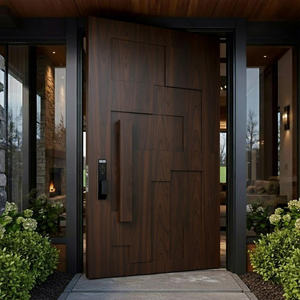
Modern Aluminum Pivot Entry Door Luxury Exterior Front Door Thermal Break Custom Size Double Glass OEM ODM Manufacturer
Get Catalog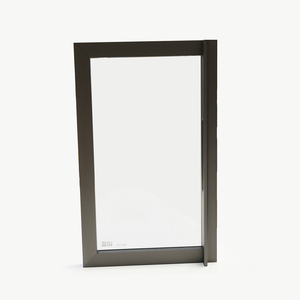
Italian Modern Look Elegant And Adaptable Design Aluminum Slim Frame Doors With Glass For Contemporary Kitchen
Get Catalog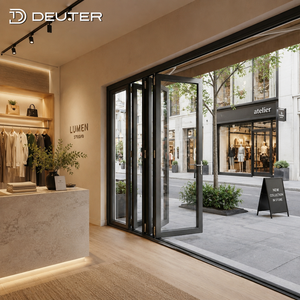
Panoramic Waterproof Aluminum Folding Glass Doors Thermal Break Large Opening Modern Exterior Accordion Bifold Patio Door System
Get Catalog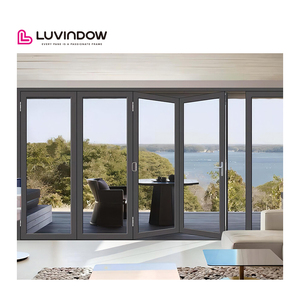
Aluminum Folding Glass Door Entry Door/glass Door/door Laminated Glass Accordion Doors Hurricane Bifold Sliding Door
Get Catalog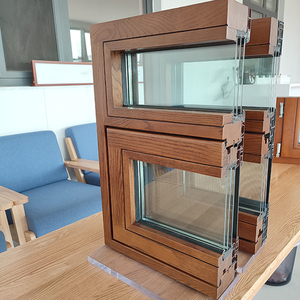
High-Grade Aluminum Clad Wood Tilt And Turn Windows Custom Standard Slimline Configurations Soundproof windows
Get Catalog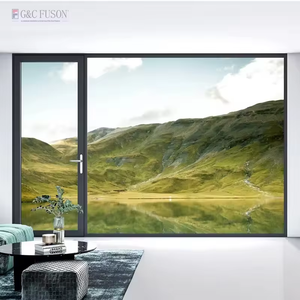
Fuson Canadian Standard Energy Star Luxury Window Thermal Insulation Aluminum Casement Windows
Get Catalog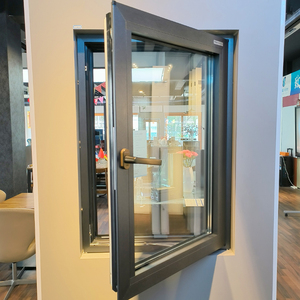
European Style Energy Star Energy Efficient Thermal Break Aluminium Triple Glazed Aluminum Passive House Windows
Get Catalog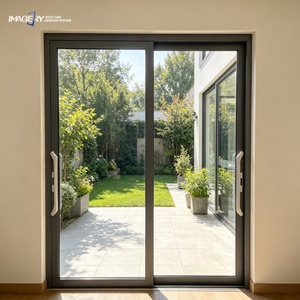
Modern House Aluminum Sliding Door Double Tempered Glass Soundproof Cheap Price For Home Decoration
Get CatalogEngineering Aluminium Glass Pivot Front Doors for New Zealand's Unique Microclimates
Architectural trends across New Zealand—from Auckland’s coastal contemporary villas to Queenstown’s rugged alpine estates—have elevated the front entrance from a simple functional doorway into a bold design statement. Oversized aluminium glass pivot front doors have emerged as the primary choice for custom home builders, property developers, and architects seeking grand scale, clean sightlines, and effortless operation. However, specifying exterior pivot door systems for New Zealand requires absolute compliance with rigorous local building standards to withstand extreme UV exposure, high coastal winds, and stringent thermal insulation requirements.
As a leading Chinese manufacturer located in Foshan’s world-renowned aluminum extrusion hub, Zenic Window & Door Technology Co., Ltd. specializes in precision-engineered, thermal break aluminium glass pivot entry systems custom-tailored to the New Zealand market. By pairing high-grade 6063-T5 virgin aluminum alloys with multi-chamber polyamide thermal breaks, heavy-duty offset pivot hardware (capable of supporting leaf weights up to 500 kg), and double/triple glazed Low-E safety glass certified to AS/NZS 2208, ZENIC bridges the gap between high-end architectural aesthetics and strict building code compliance.
Key Engineering Advantages for New Zealand Specifiers
Our export-grade pivot front doors integrate advanced hardware and thermal break profile technology designed to solve the common weather-tightness and structural challenges of large-format doors.
NZS 4211 Wind Zone Compliance
Engineered with reinforced 2.0mm–3.0mm profile wall thickness and pin-crimped glued corner joints to withstand Extra High (EH) wind pressure up to 2.0 kPa without structural deflection.
H1 Energy Efficiency Thermal Break
Features Technoform polyamide thermal struts separating exterior and interior profiles. Combined with Low-E insulated glass units, our systems achieve overall U-values down to 1.1 W/m²K to meet updated NZBC H1 standards.
High UV & Coastal Corrosion Resistance
Surface treatments utilize premium AkzoNobel Interpon D2525 fluoropolymer or ultra-durable Dulux powder coatings (25-year warranty class), built to resist New Zealand’s harsh UV indices and salt spray environments.
Heavy-Duty Hydraulic Pivot Hardware
Integrated self-closing floor springs and top pivot spindles from world-class brands (including FritsJurgens and heavy-duty German hardware lines). Supports door panel widths up to 2200mm and heights up to 4000mm.
Perimeter EPDM Weather Seal System
Employs continuous triple-layer EPDM rubber gaskets combined with drop-down automatic bottom acoustic/water seals to ensure water tightness under driving wind-driven rain.
Fully Custom OEM/ODM Capabilities
Factory-direct custom sizing, integrated digital access control (smart keypad, biometric thumbprint, Bluetooth), obscure decorative glass options, and matching sidelight/transom fabrications.
Tailored Application Scenarios Across NZ Regions
New Zealand’s microclimates vary significantly from Northland down to Southland. A standard off-the-shelf front door often fails under local conditions. ZENIC custom engineers glass pivot front door systems to address localized structural and environmental demands:
Coastal Luxury Villas & Marine Environments
In humid coastal regions such as Auckland's North Shore, Eastern Bays, and the Coromandel Peninsula, salt air acceleration causes rapid oxidation on standard metals. ZENIC supplies marine-grade 25-micron anodized or Interpon D2525 powder-coated aluminium frames paired with 316 stainless steel pivot hardware components, ensuring zero surface pitting and rust protection under continuous sea breeze exposure.
High Wind & Severe Exposure Zone Installations
Wellington and Cook Strait coastal properties face violent wind gusts exceeding 50 m/s. Our architectural pivot doors utilize ultra-thick structural profiles, internal steel sleeve reinforcements at stress points, and multi-point locking pins that pull the massive door panel tightly against the perimeter EPDM seals, eliminating draft chatter and water penetration during severe storm events.
Queenstown & Central Otago Thermal Performance
Central Otago experiences extreme temperature fluctuations, ranging from hot summers to sub-zero alpine winters. To comply with NZBC Clause H1 requirement updates, ZENIC fits double or triple-glazed IGUs featuring Argon gas infill, warm-edge spacers, and dual Low-E coatings. This thermal break construction prevents condensation formation on interior aluminum surfaces while retaining indoor warmth.
Technical Matrix: Standard Entry vs. ZENIC Architectural Pivot System
Comparing raw architectural specifications provides clear evidence of performance gain for commercial procurement officers, builders, and developers:
| Performance Characteristic | Standard Residential Entry Door | ZENIC NZ-Grade Thermal Break Pivot Door | NZ Building Code / Standard Benchmark |
|---|---|---|---|
| Profile Material | Recycled / Standard Aluminum Alloy | Virgin 6063-T5 Structural Alloy (2.0-3.0mm wall) | AS/NZS 1866 Aluminum Standards |
| Thermal Insulation (U-Value) | 3.5 – 5.0 W/m²K (Non-Thermal) | 1.1 – 1.8 W/m²K (Polyamide Strut) | NZBC Clause H1 (5th Edition Compliant) |
| Wind Pressure Resistance | Up to 800 Pa (Low / Med Wind) | Up to 2,500 Pa (Extra High Wind Zone) | NZS 4211 Specification for Windows/Doors |
| Glazing Specification | Single/Double Monolithic Glass | Double/Triple Toughened Low-E + Argon Gas | NZS 4223.3 Human Impact Safety Requirements |
| Hardware Load Capacity | 80 kg – 120 kg Butt Hinges | 300 kg – 500 kg Heavy-Duty Pivot Axis | Tested to > 200,000 Duty Cycles |
| Weather Sealing | Single Brush Gasket | Triple EPDM + Drop-down Bottom Seal | E2/AS1 Weathertightness Compliance |
Key Trends Driving Aluminium Pivot Door Procurement in New Zealand
Understanding user intent and market direction is essential for importers, developers, and door distributors stocking products for the New Zealand building sector. Recent market shifts highlight several clear preferences:
1. The Shift to Oversized Modern Entrance Portals
Traditional 2040mm x 820mm front doors are increasingly replaced in modern architectural plans by grand pivot doors measuring 2700mm–3500mm in height and 1200mm–1800mm in width. The offset pivot mechanism distributes weight to the floor rather than hanging from side jamb hinges, enabling seamless push/pull motion for huge glazed or solid panels.
2. Demand for Matte Black & Architectural Metallic Finishes
New Zealand homeowners lean heavily toward architectural aesthetics. Powders like Matt Charcoal, Anodic Bronze, Monument, and Texture Jet Black remain dominant. ZENIC provides original color-match certificates for Dulux and Interpon color palettes to ensure visual harmony with local window joinery.
3. Flush Threshold Integration (E2/AS1 Weathertight Compliance)
Architects frequently design barrier-free, level-step entries from driveway to foyer. Achieving a flush sill without water ingress requires specialized sub-floor drainage channels and automated retractable bottom seals. ZENIC’s engineered threshold details align with E2/AS1 cavity construction practices.
How ZENIC Guarantees Quality From Factory Floor to NZ Job Site
Manufacturing heavy glass pivot doors for export requires stringent quality gates at every step of fabrication inside our 20,000m² Foshan facility.
Step 1: Shop Drawing & Engineering Sign-Off
Before cutting raw profiles, our engineering team reviews your architectural schedules to produce detailed CAD shop drawings detailing frame sightlines, pivot offset points, sub-head flashing rebates, and glass thickness calculations for local council consent submittals.
Step 2: CNC Precision Processing
Profiles are machined using multi-axis German CNC milling machines. Multi-point locking pockets, electronic mortise lock slots, and concealed drainage channels are cut with sub-millimeter accuracy to guarantee perfect mechanical alignment.
Step 3: Pre-Assembly & Operation Testing
Every single pivot door is completely assembled in our factory prior to crating. Hinge alignment, hydraulic closing speed, latch engagement, and gasket compression are tested and recorded on video for client inspection.
Step 4: Fumigation-Free Sea-Worthy Crating
Finished door leaves and outer frames are wrapped in EPE protective foam, corner-guarded, and secured within custom heavy-duty plywood crates to eliminate movement and transit damage during ocean freight to Auckland, Tauranga, or Lyttelton ports.
Frequently Asked Questions by New Zealand Importers & Builders
Direct answers to technical, regulatory, and logistics queries commonly raised by NZ developers, architects, and joinery buyers.
How do ZENIC aluminium pivot front doors comply with NZBC Clause H1 thermal performance?
Our pivot doors utilize multi-chamber polyamide thermal break profiles that isolate interior and exterior aluminum faces, preventing direct thermal conduction. Paired with double-glazed IGUs featuring Low-E coating, Argon gas fill, and warm-edge spacers, our systems achieve overall door U-values between 1.1 and 1.8 W/m²K, fulfilling the updated 5th edition H1 energy performance targets across all New Zealand climate zones.
What weather sealing features prevent water ingress in exposed NZ coastal wind zones?
To resist driving wind and rain under NZS 4211 testing standards, our pivot systems feature multi-layered perimeter EPDM continuous gaskets, concealed internal pressure equalizer drainage slots, and automatic drop-down mechanical bottom seals that extend when the door closes to form a wind-tight barrier against the sill rebate.
Are your glass specifications compliant with NZS 4223 safety glass standards?
Yes. All glass used in our exterior pivot doors consists of Grade A Toughened or Laminated Safety Glass manufactured in full accordance with AS/NZS 2208 requirements. Glass units carry permanent etched certification marks confirming compliance for council inspection and LBP sign-off.
What finishes are recommended to withstand New Zealand’s high UV radiation?
New Zealand experiences exceptionally intense UV sunlight. We strongly recommend specifying AkzoNobel Interpon D2525 Super Durable powder coating or 25-micron hard-anodized finishes. These surface treatments maintain color integrity, chalk resistance, and gloss retention under harsh Oceania weather conditions.
What is the minimum order quantity (MOQ) and production lead time for NZ shipments?
Our factory MOQ starts from 50 pieces per custom project order, or a combined container order of mixed window and door types. Standard production lead time is 15 to 25 days following CAD drawing approval and deposit receipt. Shipping time from China ports (Foshan/Shenzhen/Guangzhou) to New Zealand main ports is typically 14 to 20 days.
Can smart keyless entry and digital access control systems be factory-integrated?
Absolute transparency and tech integration are key. We routinely factory-install multi-function electronic smart locks (fingerprint reader, digital keypad, RFID card, smartphone App integration) or prepare internal wire conduits inside the door leaf for third-party home automation systems requested by your project engineer.
Ready to Elevate Your New Zealand Building Project?
Contact our expert engineering team today for technical consultation, full system shop drawings, sample requests, and competitive factory-direct pricing tailored for NZ builders and distributors.
Get Catalog