Featured OEM Aluminum Systems for Bulgarian Kitchen Projects
Explore our factory-direct OEM aluminum window and door configurations engineered to meet Bulgarian National Building Standards (EN 14351-1), providing extreme thermal barrier performance, high moisture resilience, and modern minimalist profiles.
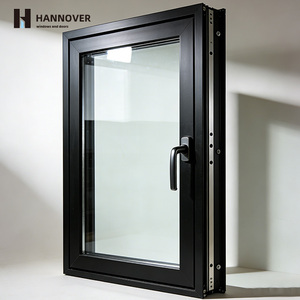
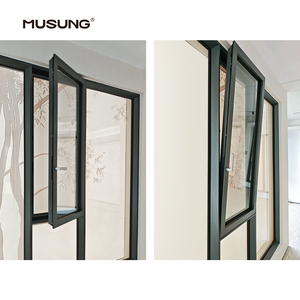
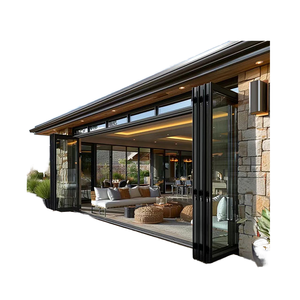
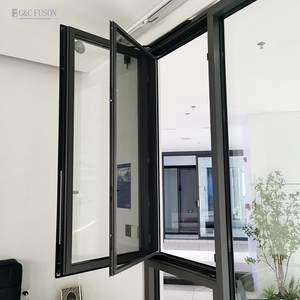
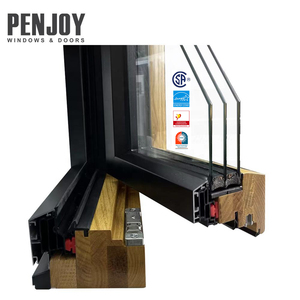
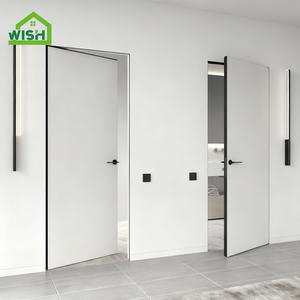
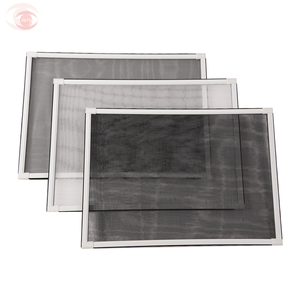
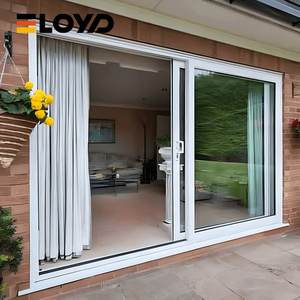
Custom OEM Aluminum Kitchen Windows Manufacturing for the Bulgarian Market
An architectural and procurement guide for Bulgarian property developers, general contractors, commercial importers, and architectural studios seeking direct Chinese OEM factory partnerships.
1. Industry Executive Summary & Information Gain Context
The Bulgarian residential and commercial real estate market is undergoing an unprecedented structural transition driven by the EU Energy Performance of Buildings Directive (EPBD) and the national long-term renovation strategy for building stock. As Bulgaria updates its energy efficiency regulations to enforce stricter heat transfer coefficients (U-values), traditional uninsulated profiles and basic PVC windows are rapidly losing ground in modern kitchen developments. Kitchen fenestration represents a unique engineering challenge: it must withstand high indoor humidity, aerosolized grease, frequent thermal cycling from cooking equipment, and micro-ventilation demands, while simultaneously resisting harsh exterior environmental conditions—from winter freezing temperatures in Sofia, Plovdiv, and mountain regions (Bansko, Borovets) to intense solar radiation and aggressive salt air along the Black Sea coast (Varna, Burgas).
This whitepaper establishes the engineering standards, metallurgical parameters, thermal break advancements, and direct-factory procurement frameworks required by Bulgarian B2B buyers when contracting OEM aluminum kitchen window manufacturers in Foshan, China. By working directly with Zenic Window & Door Technology Co., Ltd., Bulgarian importers eliminate intermediary markup, secure bespoke extrusion dies, gain certified CE marking, and achieve U-values as low as 1.1 W/m²K without compromising on slim profile aesthetic requirements.
Virgin 6063-T5 Alloy
Extruded from 100% prime aluminum billet without scrap contamination, delivering 2.0mm structural wall thickness and tensile yield strength exceeding 110 MPa for multi-story wind load resilience.
PA66GF25 Thermal Strip
24mm to 34mm polyamides reinforced with 25% fiberglass bridge the interior and exterior aluminum profiles, eliminating thermal bridging and condensation risks inside humid kitchen zones.
QUALICOAT Marine Powder
Class 2 electrostatic thermosetting coatings engineered to withstand C5-M atmospheric corrosive environments along the Black Sea coastline, tested for 2,000 hours of salt spray exposure.
2. Bulgarian Regional Application Scenarios & Climate Adaptation
Bulgaria’s diverse topography creates four distinct macro-climatic zones, each demanding tailored OEM aluminum kitchen window specifications to optimize energy performance, structural integrity, and long-term operating comfort:
Zone A: Sofia Plain & Urban Inland (Sofia, Plovdiv)
Microclimate Demands: Broad temperature fluctuations (-15°C in winter to +38°C in summer) paired with urban acoustic pollution. Modern apartments demand space-efficient opening mechanisms.
Recommended Fenestration Solution: Slim-frame aluminum tilt-and-turn kitchen casements featuring double or triple glazed Low-E insulating glass units (IGUs) filled with 90% Argon gas. The tilt mode provides continuous background micro-ventilation to remove cooking steam and prevent interior condensation without creating draft chill.
Zone B: Black Sea Coastline (Varna, Burgas, Nesebar)
Microclimate Demands: Aggressive marine salt spray, continuous humidity, high dynamic wind pressure, and luxury resort pass-through entertaining needs.
Recommended Fenestration Solution: Heavy-duty thermal break bi-fold pass-through kitchen windows or lift-and-slide systems finished with QUALICOAT Class 2 or 25-micron anodized surface protection. Continuous EPDM gaskets prevent sea-wind air filtration, allowing seamless open-concept kitchen-to-patio dining servicing.
Zone C: Alpine Mountain Regions (Bansko, Borovets, Pamporovo)
Microclimate Demands: Extreme cold (-20°C), heavy snow loading, high ultraviolet exposure, and strict Passive House energy retention requirements.
Recommended Fenestration Solution: 90mm to 120mm frame depth multi-chamber thermal break aluminum profiles with 34mm PA66GF25 insulation strips, combined with warm-edge spacers and triple-pane low-E solar control glass achieving system U-values under 0.95 W/m²K.
Zone D: Commercial Hospitality & Culinary Venues
Microclimate Demands: High-frequency usage, intense grease exposure, steam generation, strict safety standards, and fast cleaning cycles.
Recommended Fenestration Solution: Motorized vertical counterbalanced sliding aluminum kitchen windows or awning casements with concealed stainless steel friction hinges, integrated insect fly-screens, and flush stainless steel tracks for effortless wipe-down maintenance.
3. Localized Development Trends Driving Aluminum Adoption in Bulgaria
Historically dominated by PVC fenestration due to initial material cost, the Bulgarian construction market is shifting rapidly toward custom structural aluminum for several key economic and technical reasons:
- Structural Rigidity and Slim Sightlines: Modern Bulgarian residential architecture favors floor-to-ceiling glazing and expansive kitchen pass-through openings. Aluminum’s high strength-to-weight ratio allows frame profiles as narrow as 30mm–45mm, delivering up to 18% more daylight transmission compared to bulky PVC sections.
- Thermal Break Technological Parity: Early aluminum systems were uninsulated heat conductors. The integration of multi-chamber polyamide thermal barriers (PA66GF25) and specialized thermal foam insulation inserts inside the profile core has reduced aluminum U-values to levels equivalent to or better than top-tier PVC profiles.
- Fire Safety Compliance (EU Standard EN 13501-1): Aluminum is non-combustible (Euroclass A1 rating). In high-rise residential towers in Sofia and commercial kitchen installations, aluminum profiles emit zero toxic fumes when exposed to fire, fulfilling strict Bulgarian building fire safety codes.
- Color Durability & Architectural Customization: Unlike PVC, which is prone to yellowing, UV degradation, and warping under intense Southern European sunshine, anodized or powder-coated aluminum maintains color stability and dimensional tolerance over a 50-year service life. OEM suppliers offer over 200 RAL custom shades, micro-texture metallic finishes, and realistic timber-effect sublimation for traditional Bulgarian architectural aesthetics.
4. Material Technical Comparison Matrix: Kitchen Application Suitability
The table below provides a side-by-side engineering evaluation of material performance specifically within high-humidity, high-temperature kitchen environments in Bulgaria:
| Performance Metrics | Thermal Break Aluminum (ZENIC) | Uninsulated / Standard Aluminum | High-End Multi-Chamber PVC | Laminated Solid Timber |
|---|---|---|---|---|
| Thermal Insulation (Uf-Value) | 1.1 - 1.6 W/m²K | 5.8 - 6.5 W/m²K | 1.2 - 1.8 W/m²K | 1.3 - 1.7 W/m²K |
| Kitchen Moisture & Grease Resistance | Exceptional (Impervious) | High (Risk of Cold Bridging) | Moderate (Staining / Yellowing) | Poor (Warping / Rot Risk) |
| Structural Frame Sightline Width | Ultra-Slim (30mm - 65mm) | Ultra-Slim (30mm - 50mm) | Bulky (80mm - 120mm) | Medium / Thick (78mm - 92mm) |
| Fire Safety Rating (EN 13501-1) | Euroclass A1 (Non-Combustible) | Euroclass A1 | Euroclass B/C (Combustible) | Euroclass D/E (Flammable) |
| Structural Service Lifespan | 50+ Years | 50+ Years | 15 - 20 Years | 25 - 30 Years (High Maintenance) |
| Coastal C5 Atmospheric Corrosion | QUALICOAT Class 2 Approved | Requires Special Coating | Resistant but Discolors | Requires Annual Varnish |
5. OEM / ODM Engineering Excellence at ZENIC Foshan Factory Base
Zenic Window & Door Technology Co., Ltd. operates a state-of-the-art 20,000 square meter manufacturing base in Foshan, Guangdong—the epicenter of global aluminum extrusion and hardware manufacturing. Our engineering team specializes in converting architectural concept drawings into fully engineered, tested, and fully assembled fenestration units tailored for European import standards.
Precision CNC Machining & Corner Crimping
Profiles are cut using 5-axis dual-head CNC saw machinery to ensure 0.1mm dimensional accuracy. Corner joints are assembled utilizing heavy-duty cast aluminum corner keys, mechanical pneumatic crimping, and two-component polyurethane corner injection glue. This creates a completely rigid, watertight corner lock that prevents sagging over decades of heavy sash operation.
EPDM Continuous Triple Sealing Systems
Kitchen windows require strict air sealing to maintain exhaust pressure hoods. ZENIC integrates continuous EPDM (Ethylene Propylene Diene Monomer) gasket seals around all glass frames and sashes. Vulcanized vulcanization corner pieces prevent gasket shrinkage at the 90-degree joints, delivering class-leading air permeability (Class 4 per EN 12207) and rain resistance (Class E900 per EN 12208).
Furthermore, our OEM service model provides full customization flexibility for Bulgarian architectural studios and developers:
- Custom Extrusion Die Development: Ability to engineer custom profile shapes to match historic Bulgarian window renovations or unique commercial curtain wall integrations.
- Hardware Brand Integration: Factory pre-installation of premier European hardware brands including Siegenia, Hoppe, Sobinco, G-U, or heavy-duty ZENIC custom multi-point locks tested to 200,000 opening cycles.
- Private Labeling & Packaging: Custom protective film printing with your corporate logo, position-coded unit labeling for rapid job-site sorting, and fumigation-free plywood box crating built for international ocean freight.
Require Custom OEM Aluminum Windows for Your Bulgarian Project?
Send us your CAD drawings or window schedule. Our senior structural engineers will review wind loads, thermal specs, and produce shop drawings with competitive factory pricing within 24 hours.
Get a QuoteFrequently Asked Questions for Bulgarian B2B Buyers
What CE certification and testing documents are provided for customs clearance in Bulgaria?
How do ZENIC aluminum kitchen windows achieve compliance with Bulgarian energy regulations?
What are the freight shipping options, delivery times, and arrival ports for Bulgaria?
Can custom color matching and specialized insect screens be integrated for kitchen installations?
What is the Minimum Order Quantity (MOQ) and warranty structural coverage?
Partner with China's Premier OEM Aluminum Window Manufacturer
Empower your Bulgarian building projects with direct Chinese factory pricing, superior European-standard quality, and certified thermal break performance. Talk to our export engineering department today.
Get a Quote